
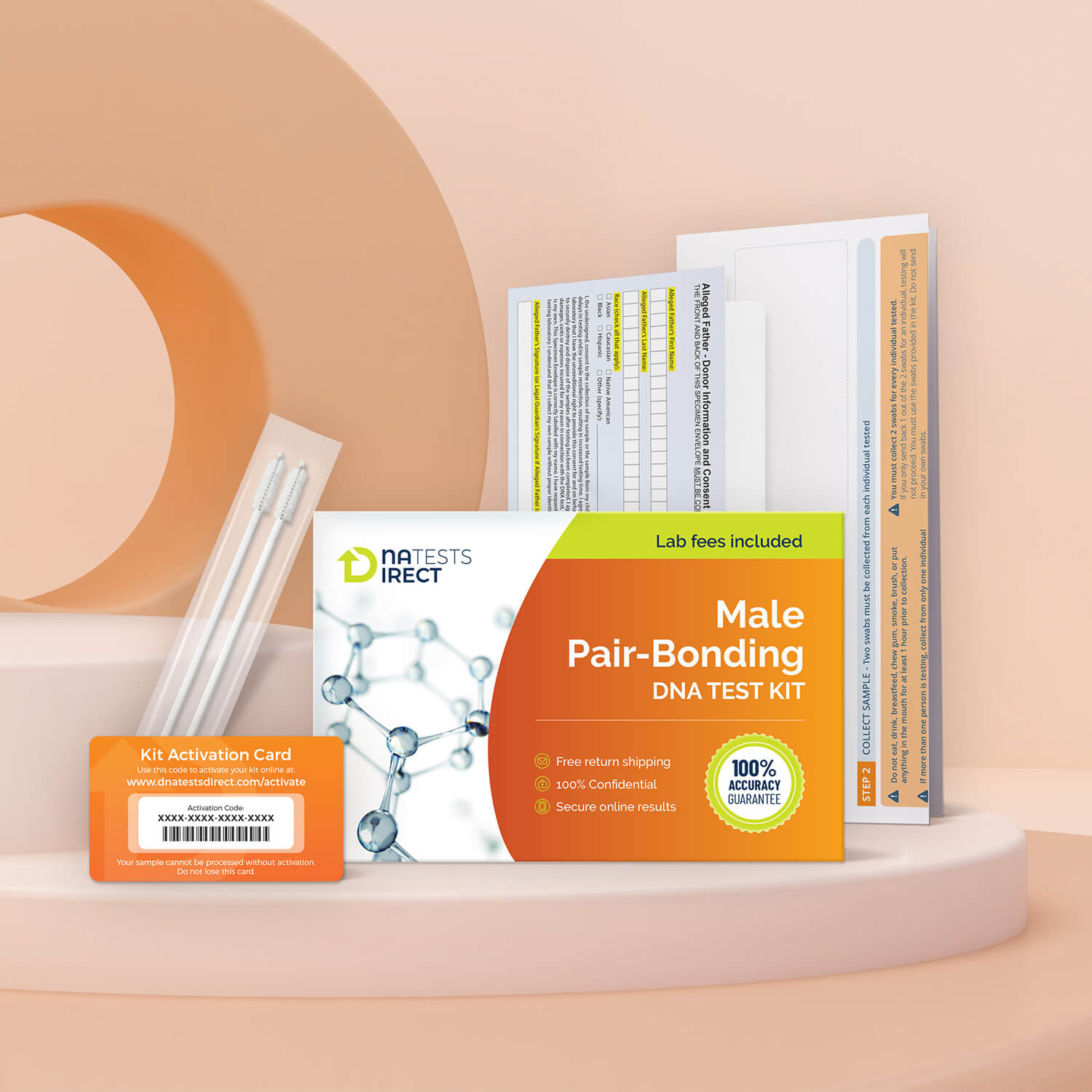


Male Pair-Bonding Gene Test
$149
What is the “male pair-bonding” gene?
The “male pair-bonding” gene is a genetic variant of the AVPR1A gene. AVPR1A variation can occur in the regulatory region of the gene at three different repetitive sequences, known as RS1, RS3 and GT25. A specific version of RS3, known as the RS3 334 allele, is associated with diminished pair-bonding in males.
Men with the RS3 334 allele are less likely to form a strong bond with their partners and are more likely to experience marital crisis or divorce. They are less likely to get married and more likely to cohabitate than individuals without the RS3 334 allele. Spouses of men with the RS3 334 allele report feeling less affection and consensus in the marriage.
- The 'Commitment' Gene: Explore whether a variant in your AVPR1A gene influences your approach to long-term relationships.
- Understand Your Biology: This test looks for the RS3 334 allele, a genetic marker that has been linked to how men form romantic bonds.
- For Males Only: This test analyzes a gene variant specifically linked to social behaviors in men.
How it Works

Order your DNA Kit
Place your order online, and we’ll send you a DNA test kit with everything you need to collect your samples.

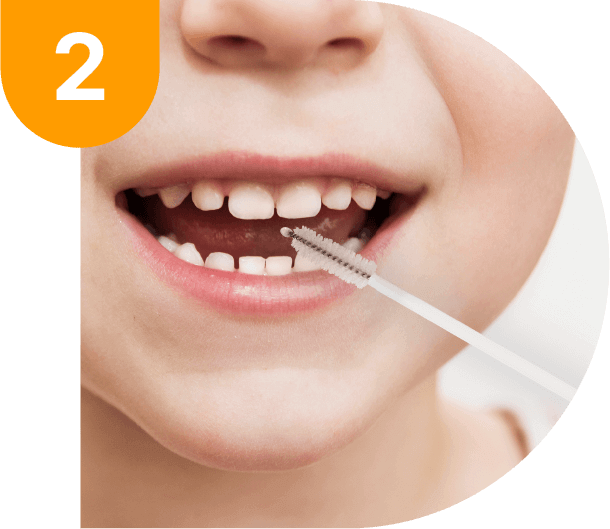
Collect DNA Samples
Follow the detailed, step-by-step instructions to collect DNA samples using the provided mouth swabs.

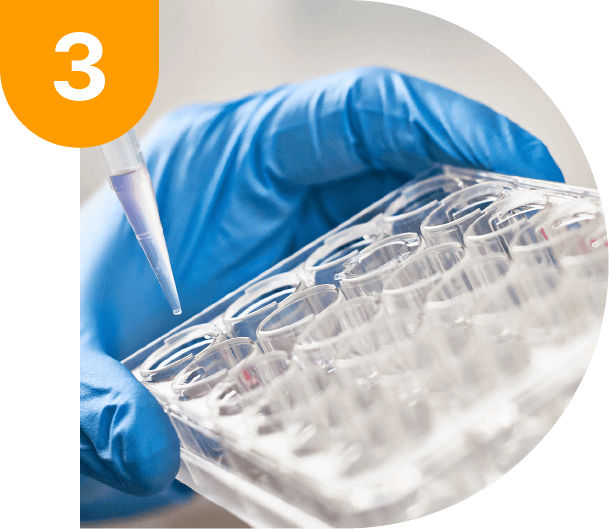
Lab Analysis
Use the provided return envelope to mail your DNA samples to our laboratory for analysis.

Receive Results
Download your results from your secure online account as soon as they’re ready.
What is the AVPR1A gene?
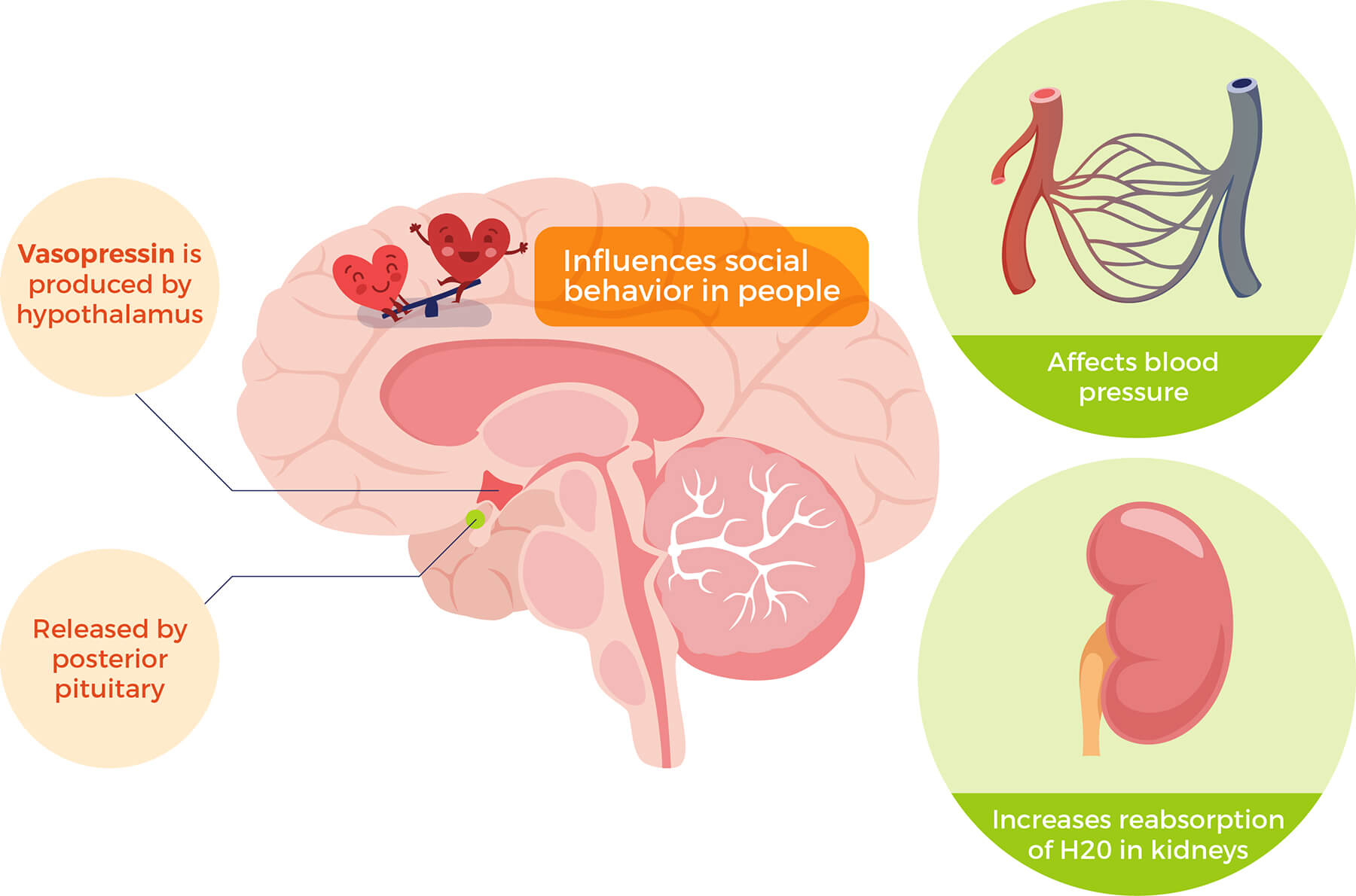
The AVPR1A gene encodes the arginine vasopressin receptor 1A, which binds vasopressin and transmits the signal into the cells. Vasopressin is a hormone or chemical messenger that promotes water retention in the kidneys and increases blood pressure. Most of these effects take place when vasopressin is released into the blood stream. Vasopressin can also be released directly into the brain and influence social and sexual behavior (such as infidelity). When this signal transmission is disrupted, as in the case of “male pair-bonding” gene, there is a decreased likelihood of forming a strong bond with their partner.
The Genetics Behind Male Pair-Bonding

The AVPR1A gene, found on chromosome 12, plays a role in social bonding and relationship behaviors. Everyone inherits two copies of this gene—one from each parent. A simple DNA test can identify which variants of AVPR1A a person has. Differences in this gene are caused by short tandem repeats (STRs) in a regulatory region that affects protein levels. The AVPR1A STR test measures the length of these repeats to determine if an individual carries the RS3 334 variant, which has been linked to infidelity and pair-bonding tendencies.
Conditions Related to the AVPR1A Gene
Variations in the AVPR1A gene have been linked to a higher tendency for infidelity in both men and women. Additionally, other genetic changes in AVPR1A are associated with:
- Autism spectrum traits
- Altruistic tendencies
- Addictive behaviors
- Eating disorders
- Social interactions, including sibling relationships

Frequently Asked Questions
What does the Male Pair-Bonding Gene Test investigate?
This unique DNA test examines a specific gene in men that has been linked to pair-bonding behavior and the ability to form long-term, monogamous relationships. It can help determine if a man’s fear of commitment or difficulty in forming deep bonds with a partner could be influenced by his genetics.
Who might be interested in this test?
This test is designed for males who are curious about the genetic factors that may influence their views on relationships and commitment. It can also be interesting for partners who want to understand the potential genetic influences on their relationship dynamics.
How do I provide a sample for analysis?
The process is simple and can be done privately at home. Your kit will contain a sterile mouth swab, which you use to painlessly collect a sample of cells from the inside of your cheek.
Does the result of this test determine my ability to commit?
No, the result is not a definitive predictor of your relationship behavior. This test reveals a predisposition, not a predetermined fate. Many men with this gene variant have happy, long-lasting relationships. The test provides a piece of insight into potential behavioral tendencies, but personal choice, effort, and environment are powerful factors in any relationship.
How should I interpret the results of this test?
The results are best used as a tool for personal insight and understanding. They can open up a new perspective on your natural tendencies within a relationship and can be a starting point for personal reflection or conversations with a partner.
What is the AVPR1A gene?
The AVPR1A gene is associated with a hormone called arginine vasopressin, which plays a role in social behaviors in many species, including humans. Variations in this gene have been linked to differences in pair-bonding and other social actions in men.
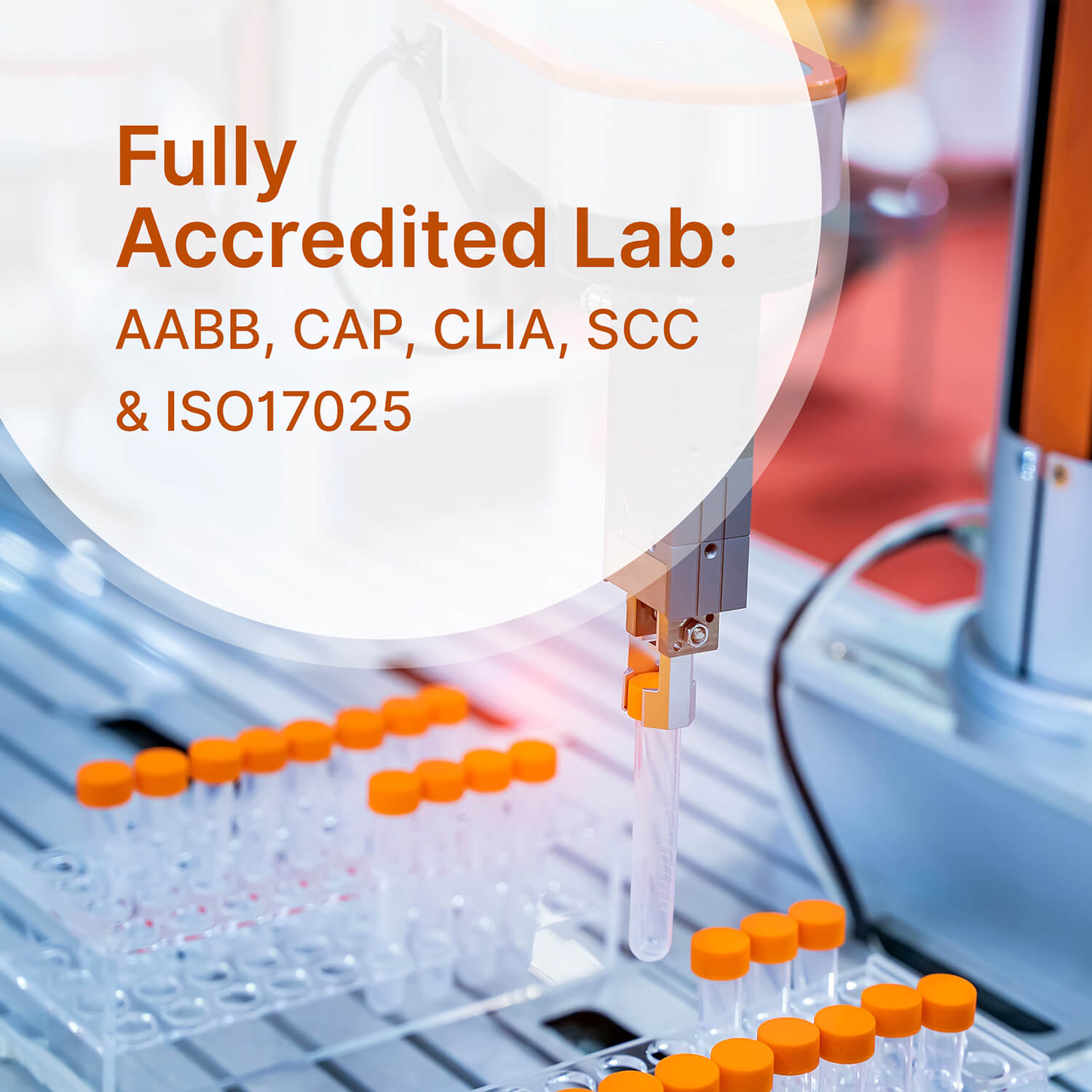
Is your testing facility reputable and accredited?
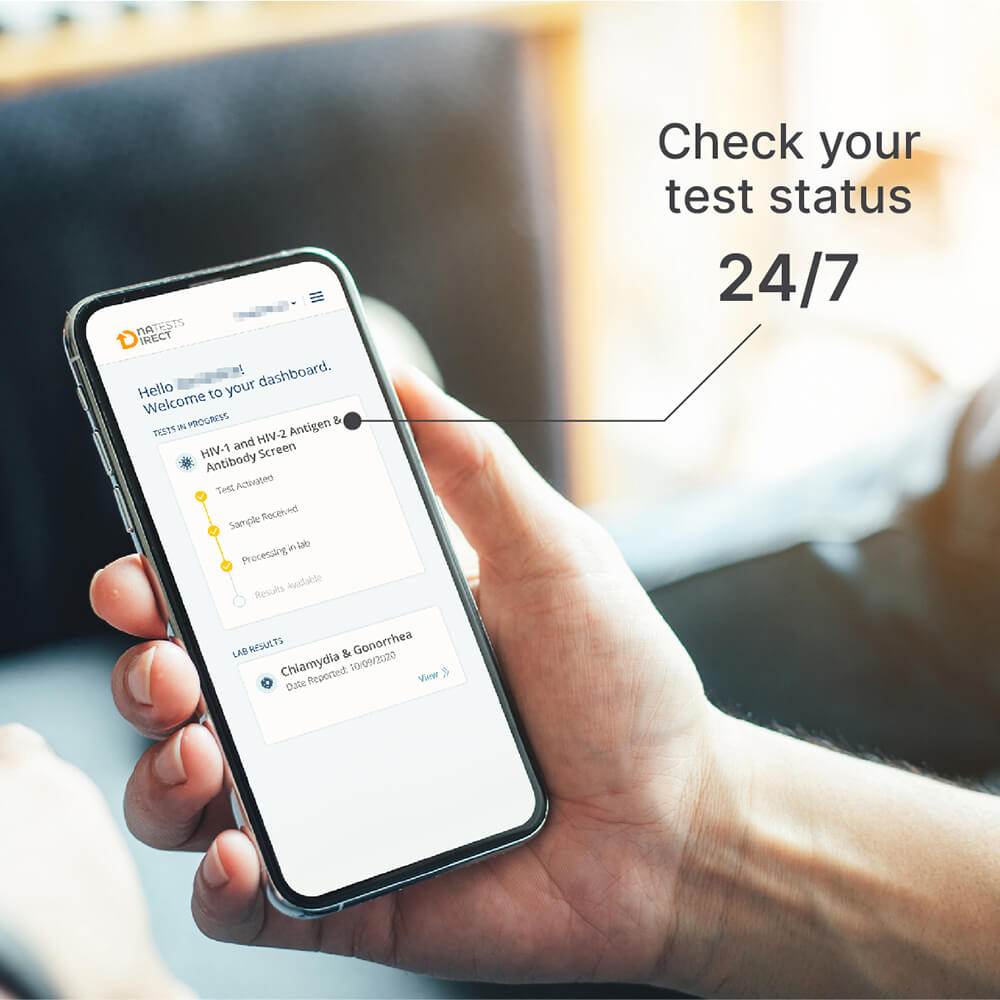
How will I receive my results?
How long does it take to get results?
Once your sample is received by our laboratory, processing usually takes 6-8 weeks. You will receive an email notification when your results are ready, and you can access your detailed report through a secure online portal.
Is the testing process confidential?
Yes, your confidentiality is guaranteed. From the discreet packaging of the test kit to the secure delivery of your results, we ensure your privacy is protected every step of the way.