





Female Infidelity Gene Test
$149
What is the “female infidelity” gene?
The “female infidelity” gene refers to five genetic variants of the AVPR1A gene. Each of these variants are associated with an increased likelihood of extrapair mating or cheating in women.
- Social Bonding Gene: Discover if you carry genetic variants in the AVPR1A gene associated with a higher likelihood of infidelity in women.
- Gain Self-Awareness: Understand how your genes may influence social and intimate behaviors.
- Easy At-Home Testing: Collect your DNA with a simple, painless mouth swab and receive confidential results online.
How it Works

Order your DNA Kit
Place your order online, and we’ll send you a DNA test kit with everything you need to collect your samples.

Collect DNA Samples
Follow the detailed, step-by-step instructions to collect DNA samples using the provided mouth swabs.

Lab Analysis
Use the provided return envelope to mail your DNA samples to our laboratory for analysis.

Receive Results
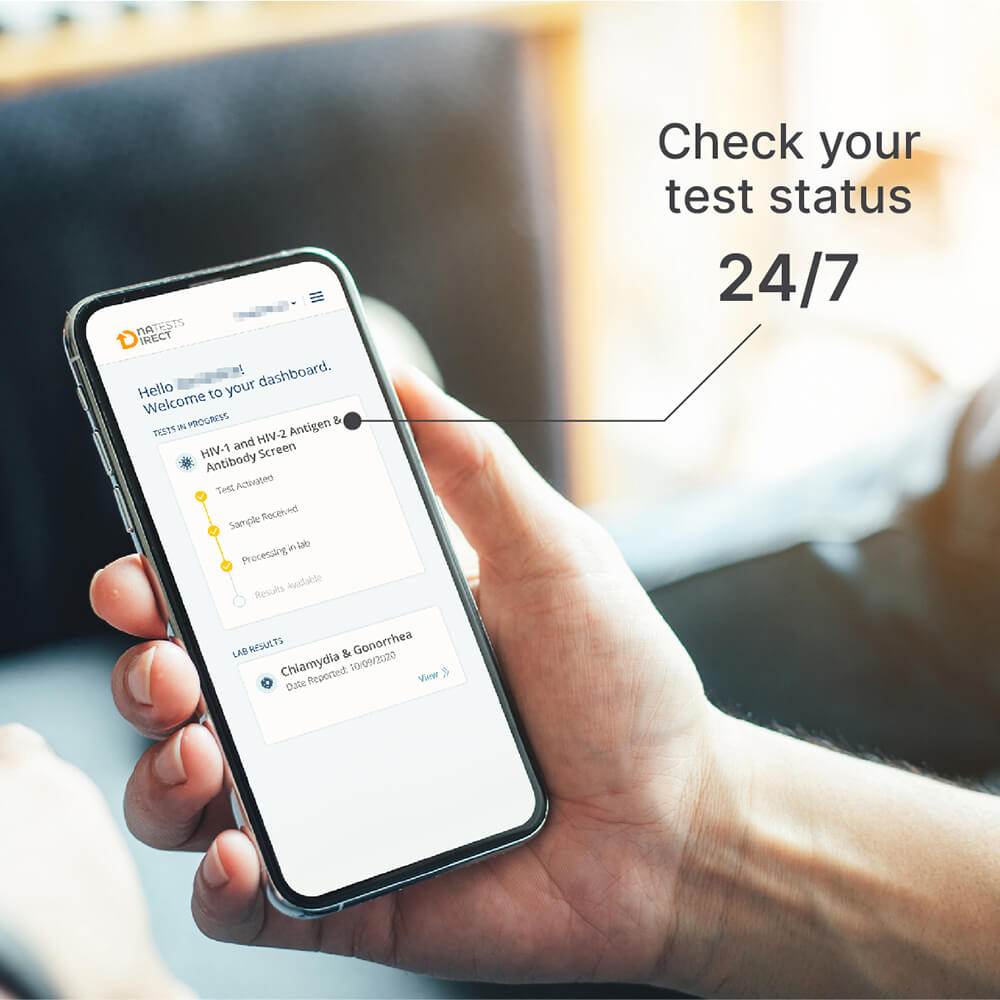
Download your results from your secure online account as soon as they’re ready.
What is the AVPR1A gene?
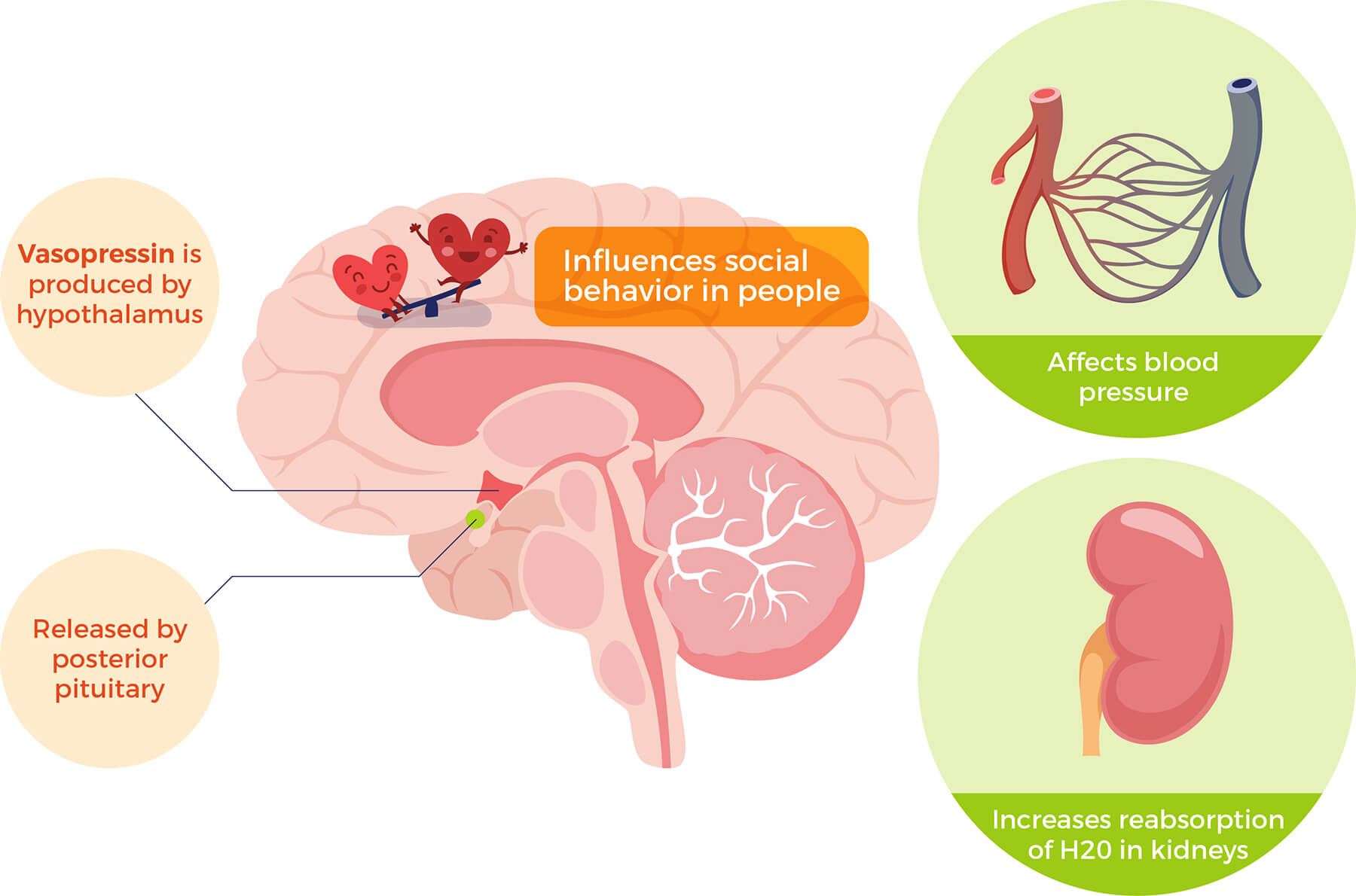
The AVPR1A gene encodes the arginine vasopressin receptor 1A, which binds vasopressin and transmits the signal into the cells. Vasopressin is a hormone or chemical messenger that promotes water retention in the kidneys and increases blood pressure. Most of these effects take place when vasopressin is released into the blood stream. Vasopressin can also be released directly into the brain and influence social and sexual behavior (such as infidelity). When this signal transmission is disrupted, as in the case of “female infidelity” gene, there is an increased likelihood of extrapair mating or cheating.
The Genetics of Female Infidelity
The AVPR1A gene, located on chromosome 12, plays a role in social and relationship behaviors. Each person inherits two copies of this gene—one from each parent. A simple DNA test can identify which versions of AVPR1A an individual has. Research has linked specific minor alleles (less common genetic variants) in this gene to a higher likelihood of infidelity in women. These variants occur at the following markers:
- rs10877970
- rs10877969
- rs3021529
- rs11174811
- rs1587097
By analyzing these genetic markers, individuals can gain insight into how their DNA may influence relationship behaviors.

Conditions Linked to the AVPR1A Gene

Genetic variations in the AVPR1A gene have been associated with a higher likelihood of infidelity in both men and women. In addition to this, changes in the AVPR1A gene have also been linked to several other conditions, including:
- Autism spectrum disorder
- Altruistic behavior
- Addictive behaviors
- Eating disorders
- Social behaviors, such as interactions between siblings
These variations demonstrate the gene’s influence on a broad range of behaviors and conditions, emphasizing its role in both social and psychological aspects of life.
Frequently Asked Questions
What does the Female Infidelity Gene Test analyze?
This test is for females and examines several genetic variants in the AVPR1A gene. Research has suggested that these specific variants can increase the likelihood of a woman being unfaithful to her partner, linking genetics to infidelity.
Who is this test intended for?
This test is for females who are curious about the potential genetic influences on their relationship behaviors. It’s designed for personal insight and is for those who wonder if genetics might play a role in their approach to monogamy.
How is the DNA sample for this test collected?
The sample is collected at home using a simple, non-invasive mouth swab. The kit comes with clear instructions for painlessly swabbing the inside of your cheek to provide the necessary cells for analysis.
Does this test prove someone will be unfaithful?
Absolutely not. This test only identifies a genetic predisposition, which may increase the likelihood of certain behaviors. It is not a definitive predictor of anyone’s actions. Infidelity is a complex issue influenced by many personal, emotional, and situational factors.
What is the purpose of getting this test?
Maybe you can blame your recent indiscretion on your genes! 16 The results are intended for personal insight, allowing you to explore your own behavioral tendencies from a genetic perspective. It is not intended to be used to judge or accuse a partner.
What are the specific genes tested?
This test analyzes several variants within the AVPR1A gene, including rs10877970, rs10877969, rs3021529, rs11174811, and rs1587097. This gene is linked to a hormone that influences social bonding.
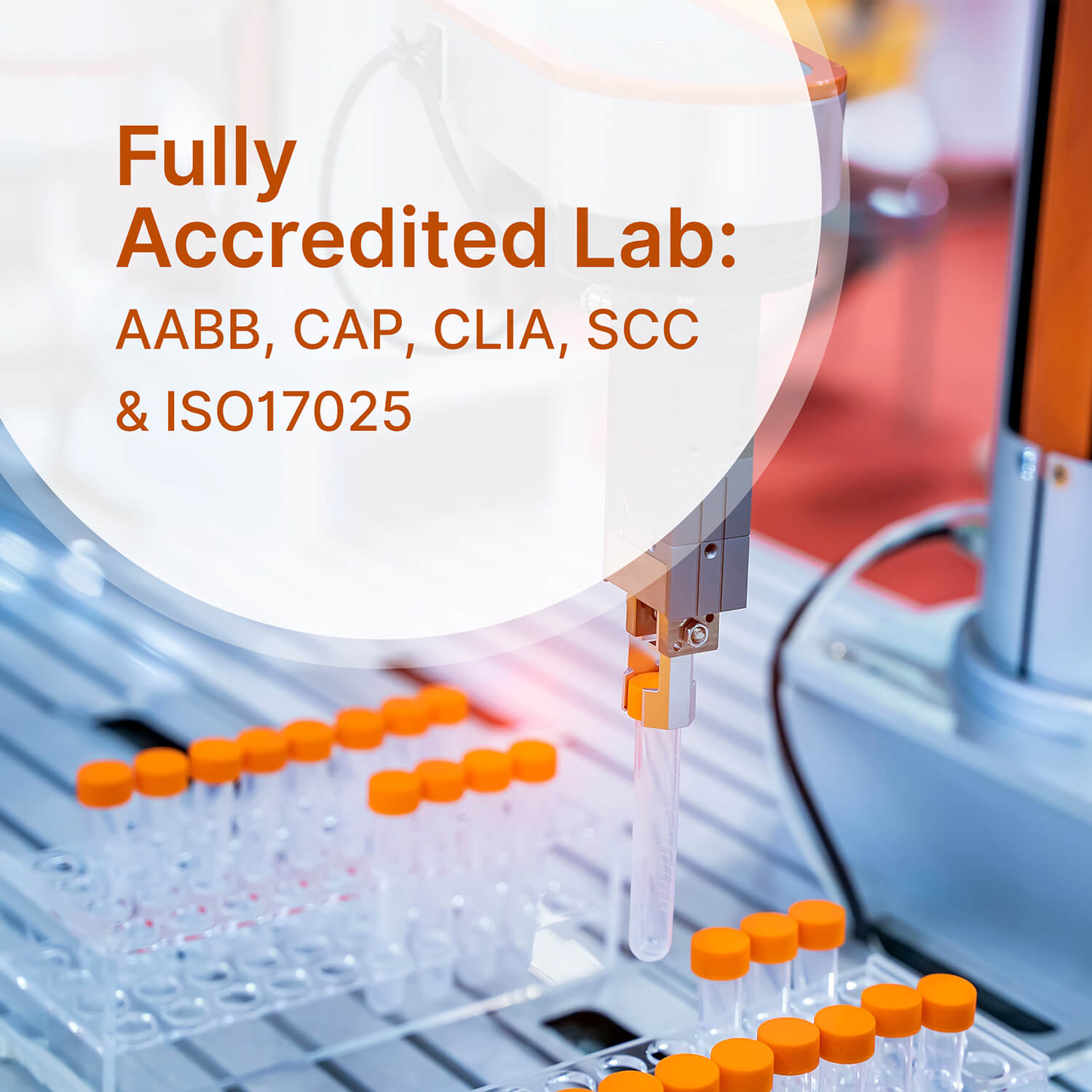
Is your testing facility reputable and accredited?
How will I receive my results?
How long does it take to get results?
Once your sample is received by our laboratory, processing usually takes 6-8 weeks. You will receive an email notification when your results are ready, and you can access your detailed report through a secure online portal.
Is the testing process confidential?
Yes, your confidentiality is guaranteed. From the discreet packaging of the test kit to the secure delivery of your results, we ensure your privacy is protected every step of the way.