


DNA Thrombotic Risk
$195
What is thrombosis?
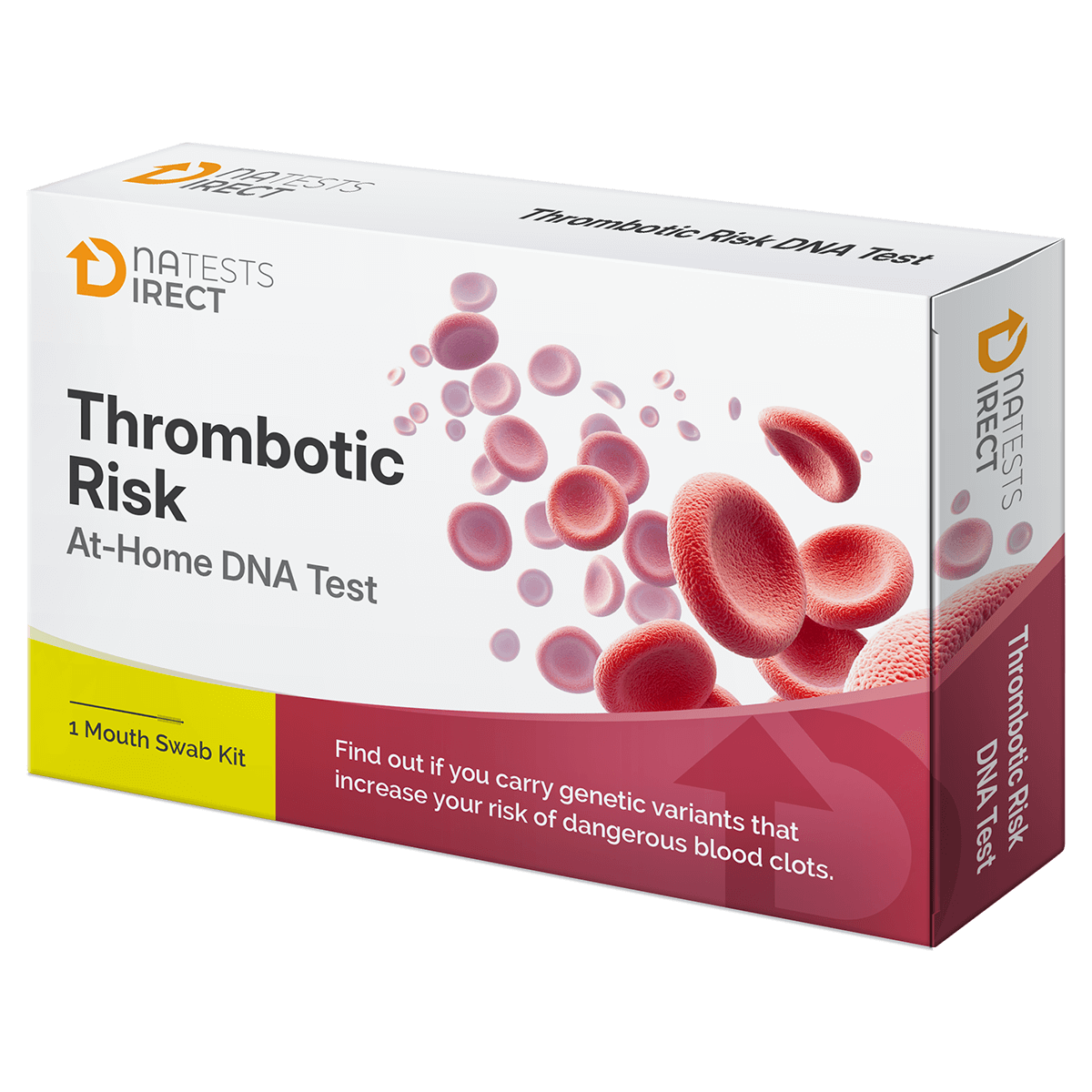
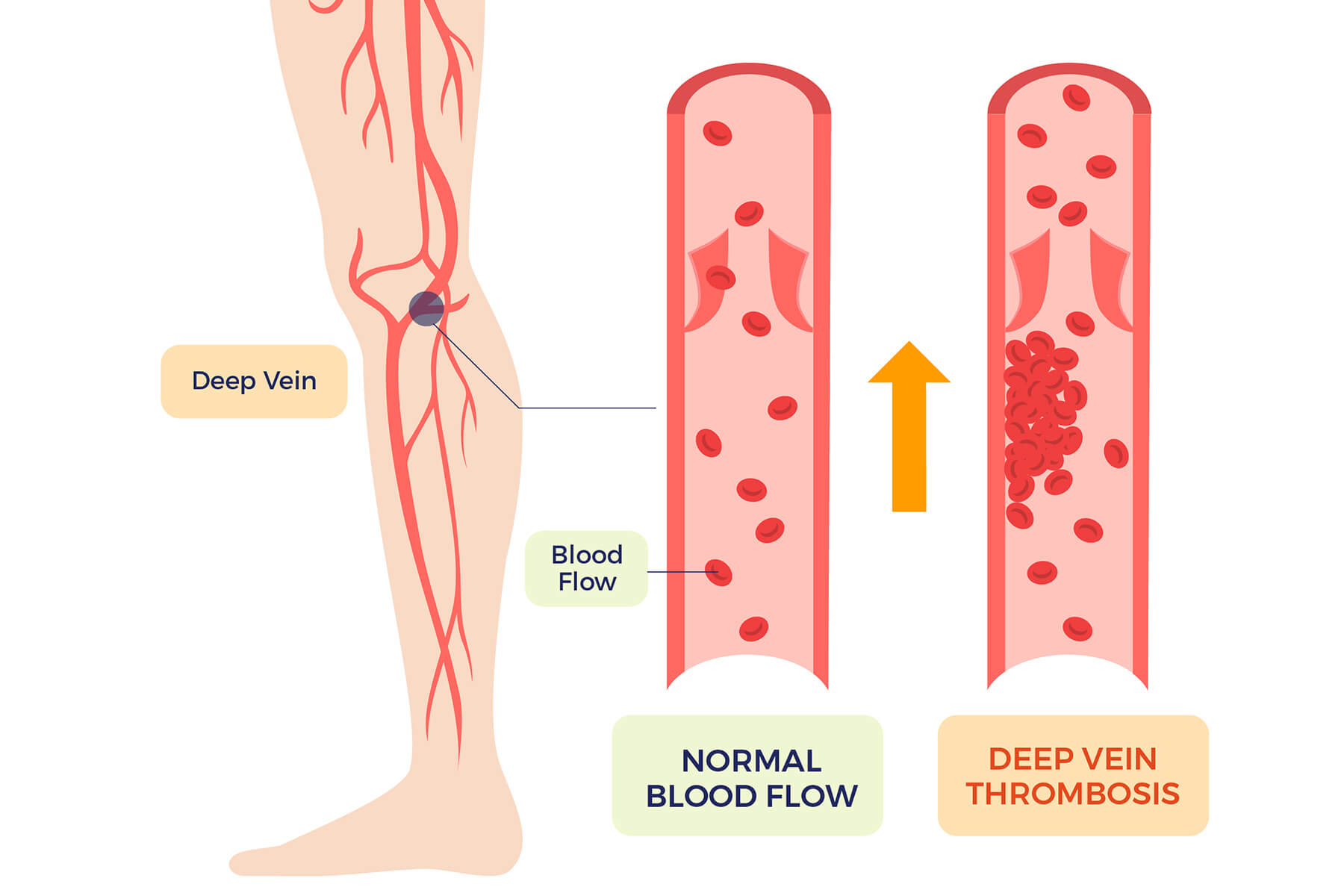
Thrombosis is when a blood clot forms inside a blood vessel and blocks the flow of blood through the circulatory system. Thrombotic risk refers to the likelihood of forming these dangerous blood clots.
- Understand Your Clotting Risk: Discover if you carry variants in the F5, F2, or MTHFR genes that can increase your body's tendency to form painful and life-threatening blood clots.
- Multi-Gene Analysis: Screens for well-known variants linked to blood clots, including in the F5, F2, and MTHFR genes.
- Preventative Care: Share results with your doctor to manage risk during travel, surgery, or before starting certain medications.
How it Works

Order your DNA Kit
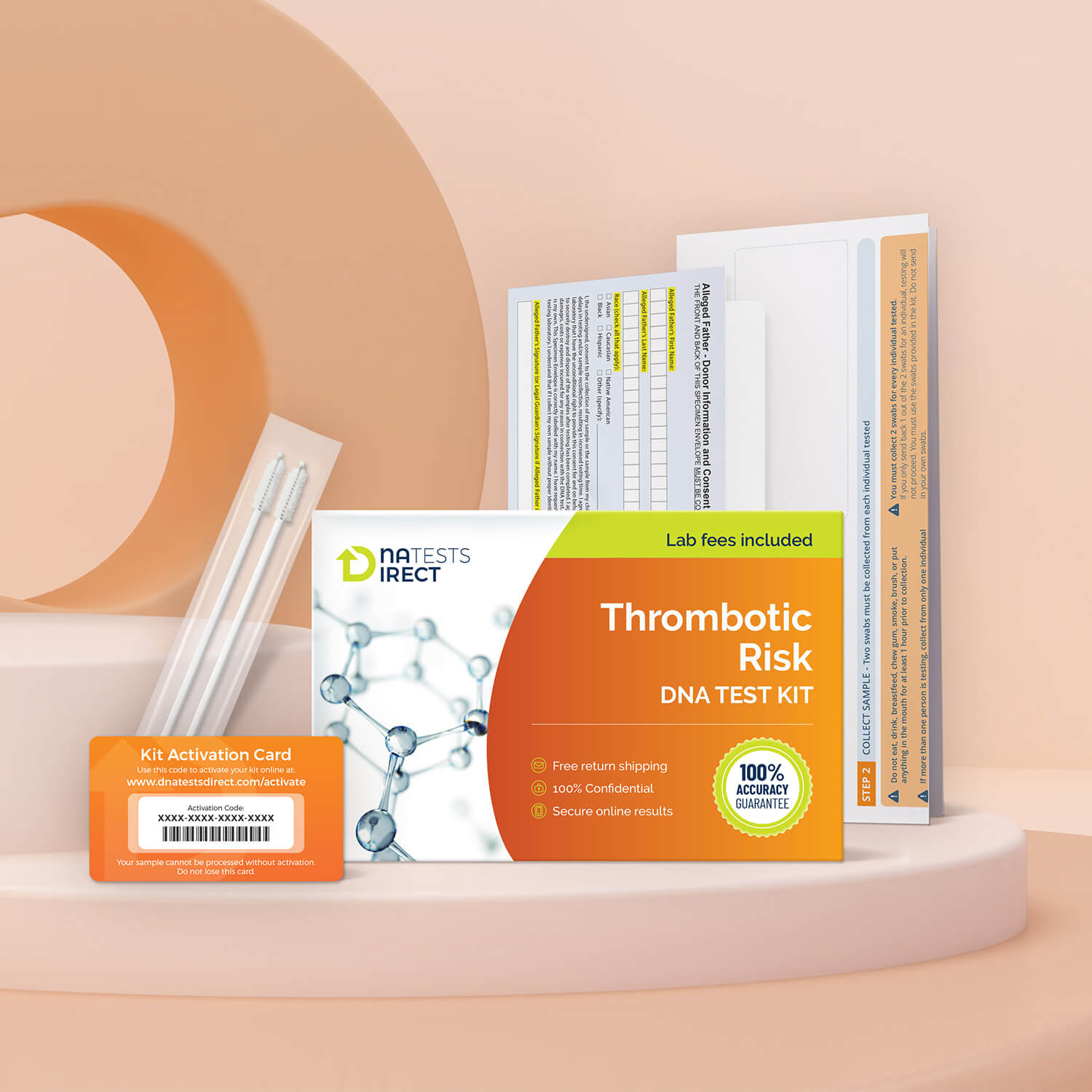
Place your order online, and we’ll send you a DNA test kit with everything you need to collect your samples.

Collect DNA Samples
Follow the detailed, step-by-step instructions to collect DNA samples using the provided mouth swabs.

Lab Analysis
Use the provided return envelope to mail your DNA samples to our laboratory for analysis.

Receive Results
Download your results from your secure online account as soon as they’re ready.
Signs of a blood clot
Many factors contribute towards thrombotic risk, including a lack of mobility, smoking, obesity, surgery or injury, infections and disease, pregnancy, and hormonal changes.
However, “invisible” factors such as genetic changes that affect components of the blood clotting cascade also play a big role in your thrombotic risk.
Factor V Leiden mutation:
Factor V is a protein that promotes blood clotting. When it is not required, it is inactivated by protein C. The factor V Leiden mutation inhibits this inactivation, increasing the risk of abnormal blood clots.
Prothrombin G20210A mutation:
Prothrombin is another protein required for blood clot formation. In individuals carrying the G20210A variant in this gene there is an increase in prothrombin production, leading to an increased risk of abnormal blood clotting.
MTHFR mutations:
The MTHFR gene gives instructions to produce an enzyme involved in the conversion of folic acid to folate, which then helps convert homocysteine to methionine. Two MTHFR variants are linked to elevated homocysteine levels, known as hyperhomocysteinemia. Hyperhomocysteinemia increases the risk of abnormal blood clots.
Genetic Variants Analyzed
This test examines key genetic variants related to thrombophilia:
- F5 – Factor V Leiden mutation (1691G>A)
- F2 – Prothrombin mutation (20210G>A)
- MTHFR – Two mutations (677C>T and 1298A>C)
Each person inherits two copies of these genes—one from each parent. Possible genetic combinations include two normal copies (homozygous normal), two mutated copies (homozygous mutant), or one normal and one mutated copy (heterozygous). The specific combination of F5, F2, and MTHFR variants determines an individual’s risk for developing thrombophilia.

Understanding Your Results
Factor V Leiden Mutation (Heterozygous 1691G>A) – F5 Gene
- 3X to 8X increased risk of thrombosis
- 2X to 11X increased risk of miscarriage
Factor V Leiden Mutation (Homozygous 1691G>A) – F5 Gene
- 10X to 80X increased risk of thrombosis
- 2X to 11X increased risk of miscarriage
Prothrombin Mutation (Heterozygous 20210G>A) – F2 Gene
- 2X to 5X increased risk of thrombosis
- 2X to 3X increased risk of miscarriage
Prothrombin Mutation (Homozygous 20210G>A) – F2 Gene
- >5X increased risk of thrombosis
- 2X to 3X increased risk of miscarriage
MTHFR Mutation (Homozygous 677C>T)
- Increased risk of thrombosis if folate levels are low
MTHFR Mutations (677C>T and 1298A>C)
- Increased risk of thrombosis if folate levels are low

Frequently Asked Questions
What does the DNA Thrombotic Risk Test analyze?
Blood clots can be painful and even life-threatening. This DNA test determines if you carry specific genetic variants that are known to increase the likelihood of developing dangerous blood clots (thrombosis).
Who is this test for?
This test is recommended for individuals with a personal or family history of blood clots, such as deep vein thrombosis (DVT) or pulmonary embolism. It’s also valuable for those who want to understand their genetic risk before starting hormonal therapies or undergoing major surgery.
How do I collect my DNA sample for the DNA Thrombotic Risk test?
The process is straightforward and can be done at home. Your kit will contain simple mouth swabs to painlessly collect a sample of your cheek cells. The kit includes easy-to-follow instructions for proper collection.
Does a positive result mean I will develop a blood clot?
No. A positive result indicates that you have a genetic predisposition that increases your risk above the average person’s. It does not mean you will certainly develop a blood clot. Many other factors, such as surgery, long periods of immobility, and certain medications, also contribute to your overall risk.
How can I use the information from this test?
Knowing your genetic risk is crucial for preventative care. You can share this information with your doctor to create a health plan, which might involve being extra vigilant about symptoms, taking precautions during long travel, or making decisions about certain medications.
What specific genetic markers does the DNA Thrombotic Risk test look for?
This test analyzes three well-known genetic variants linked to an increased risk of blood clots. These are the Factor V Leiden (F5) mutation, the Prothrombin G20210A (F2) mutation, and variants in the MTHFR gene.
Is your testing facility reputable and accredited?
How will I receive my results?
How long does it take to get results?
Once your sample is received by our laboratory, processing usually takes 6-8 weeks. You will receive an email notification when your results are ready, and you can access your detailed report through a secure online portal.
Is the testing process confidential?
Yes, your confidentiality is guaranteed. From the discreet packaging of the test kit to the secure delivery of your results, we ensure your privacy is protected every step of the way.