





Understanding Bone Health
Strong, healthy bones are essential for support, protection, and overall well-being. Throughout our lives, bones undergo continuous remodeling – old tissue breaks down (resorption) while new bone forms (ossification).
During childhood, adolescence, and early adulthood, new bone production outpaces resorption, allowing peak bone mass around age 30. However, as we age, this balance shifts, and resorption exceeds new bone formation, leading to gradual bone loss.
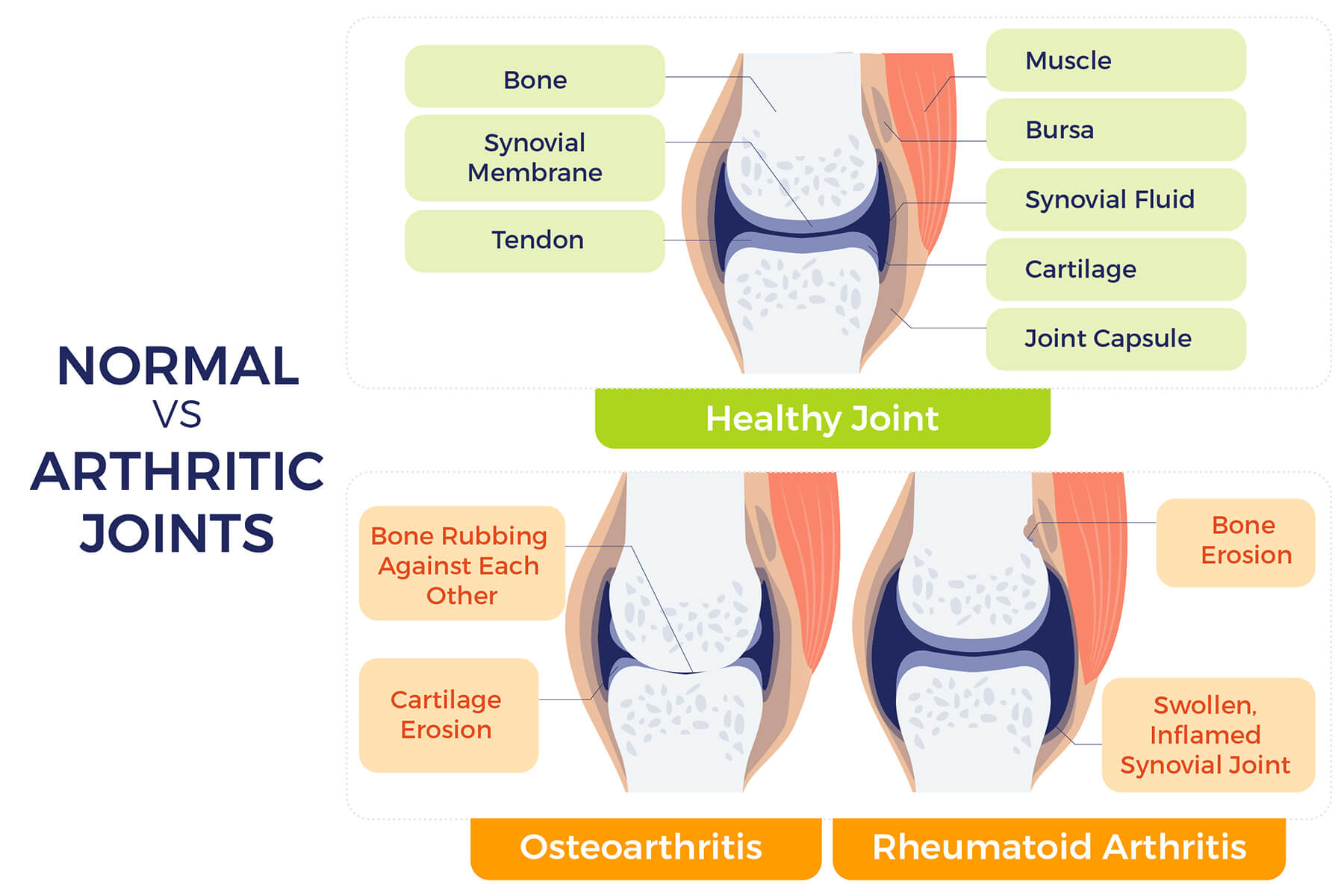
In many elderly individuals, excessive bone loss results in osteoporosis – a condition of thin, porous, brittle bones with increased fracture risk. Osteoporosis significantly impacts quality of life and healthcare costs, particularly among postmenopausal women experiencing accelerated bone loss due to decreased estrogen.
Osteoarthritis: Another Common Concern
Another prevalent bone and joint issue affecting the elderly is osteoarthritis – the most common form of arthritis. It occurs when protective cartilage within joints wears down, leading to joint pain, stiffness, and inflammation. This condition can severely impair mobility and independence, further highlighting the importance of maintaining bone and joint health throughout life.
Factors Influencing Bone Health
Several modifiable and non-modifiable factors contribute to bone health, including gender, hormone levels, ethnicity, physical activity, medications, nutrient intake, and genetics.
Weight-bearing exercises strengthen bones, while a sedentary lifestyle increases poor bone health risk. A calcium and vitamin D-rich diet is essential, as calcium builds bone tissue and vitamin D aids absorption. Gastrointestinal conditions like Crohn’s, celiac disease, and lactose intolerance can impair nutrient absorption, necessitating proper management and dietary modifications to maintain bone health.

Genetic Variants Analyzed in This Test
Your genes play a crucial role in your bone health, influencing processes like vitamin D metabolism, bone formation, maintenance of bone and joint tissues, and collagen production. Specific gene variations can increase your risk of developing conditions like osteoporosis and osteoarthritis.
- Vitamin D Metabolism: The CYP2R1 and GC genes are essential for activating and transporting vitamin D, which is crucial for calcium absorption and bone health. Variants in these genes can impair these processes, raising your risk of osteoporosis.
- Bone Formation and Maintenance: The WNT16 gene regulates the formation of bone-building cells, while the GDF5 gene oversees the maintenance of bone, joint, and cartilage tissues. Variations in these genes can disrupt these processes, leading to weaker bones and increased risk of fractures and osteoarthritis.
- Collagen and Bone Strength: The COL1A1 gene is responsible for producing a major component of collagen, the protein that provides strength and structure to your bones. Certain variants in this gene can weaken collagen, leading to decreased bone density and increased osteoporosis risk.

Your Genes and Bone Health
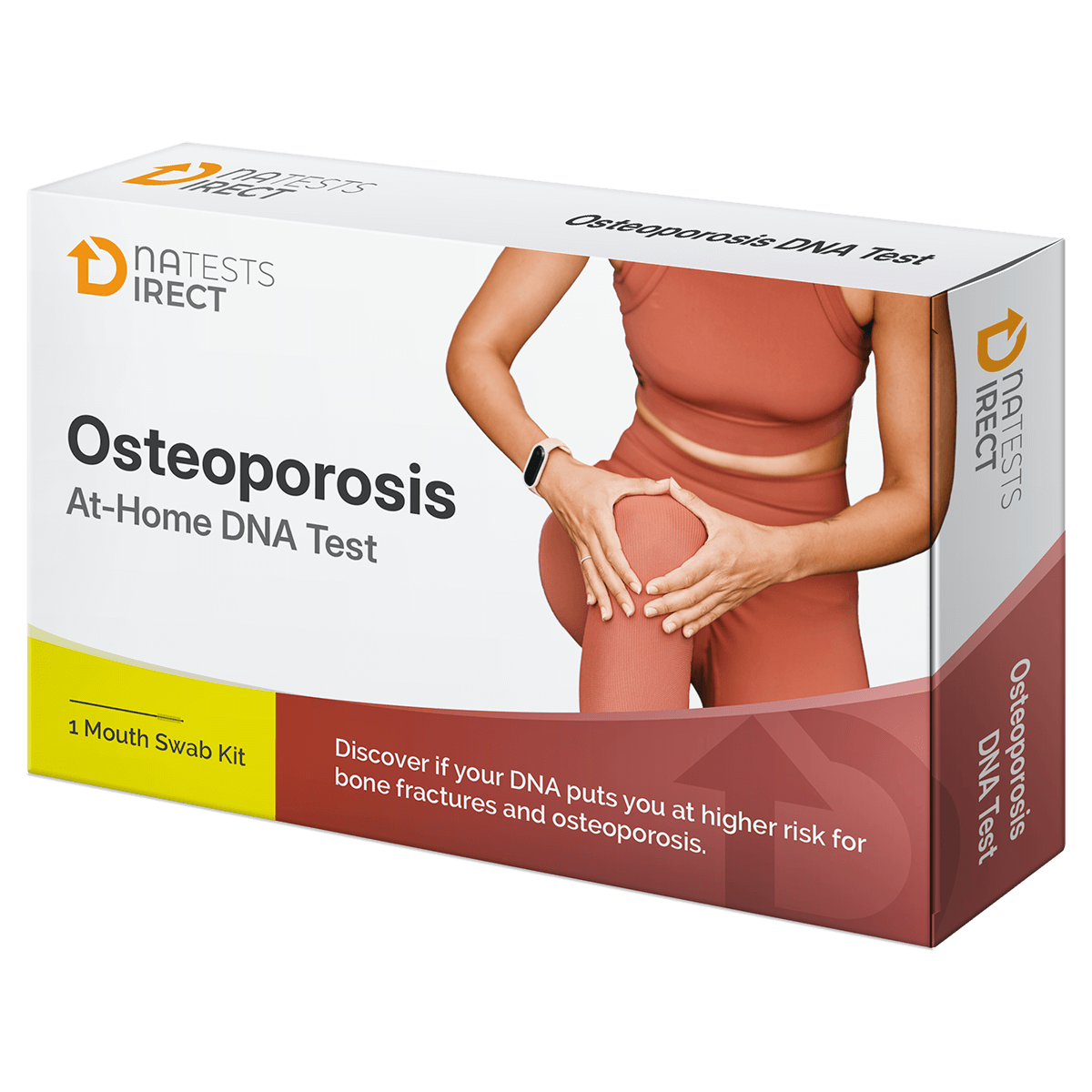
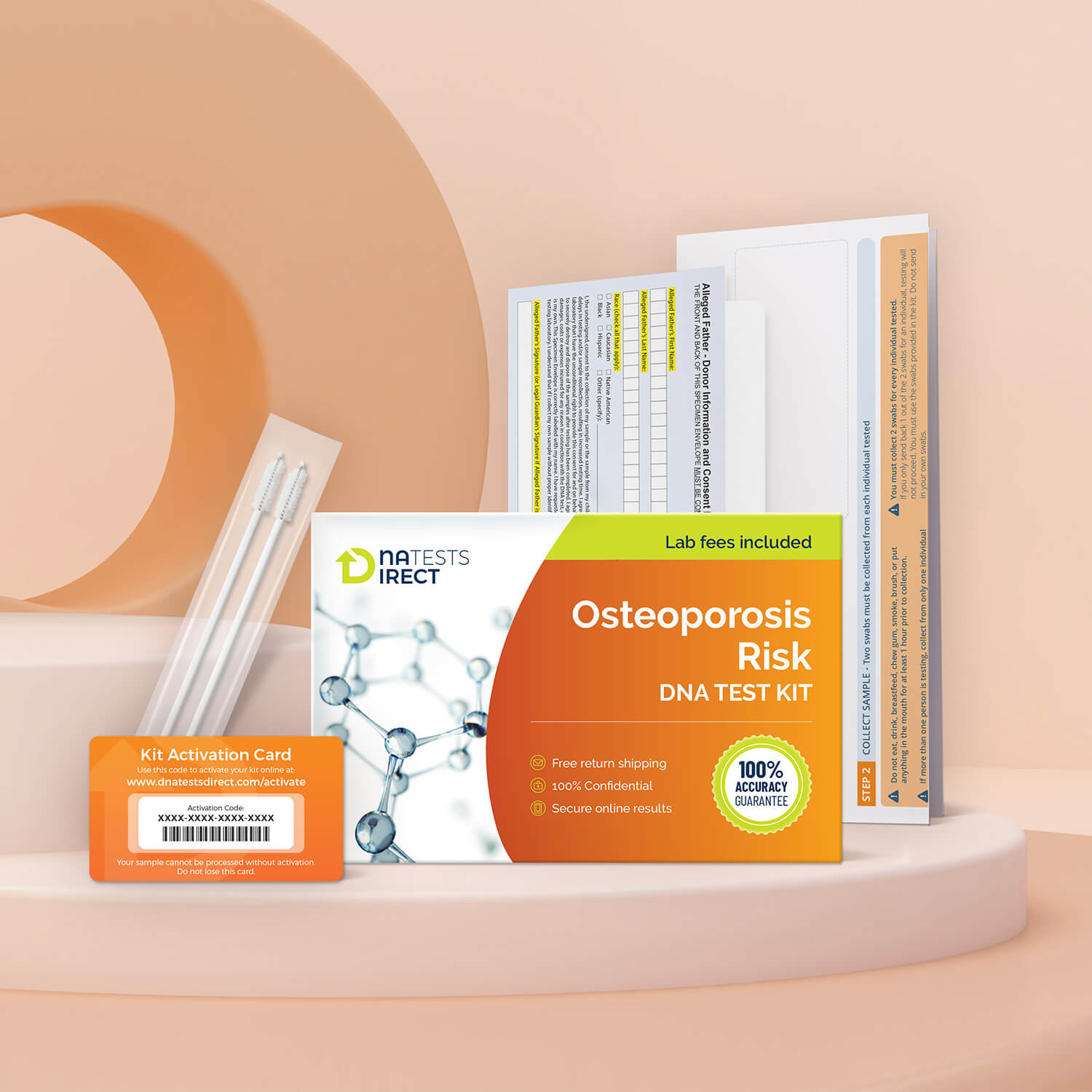
This table provides an overview of the key genes and variants included in our At-Home DNA Osteoporosis Risk Test.
| Genes | Variants | Description |
|---|---|---|
| CYP2R1 | rs10741657 | This variant affects the conversion of vitamin D to its active form. Reduced enzyme activity leads to lower levels of active vitamin D, impacting calcium absorption and bone strength. |
| GC | rs4588 | This variant impacts the vitamin D binding protein’s efficiency, affecting vitamin D transport and availability for bone health. |
| WNT16 | rs3801387 | Inactivating variants in this gene disrupt the Wnt signaling pathway, reducing osteoblast formation and bone density, increasing osteoporosis risk. |
| GDF5 | rs143383 | Variants in this gene reduce the expression of the GDF5 protein, essential for bone and joint maintenance, increasing the risk of osteoarthritis and fractures. |
| COL1A1 | rs1800012 | This variant affects the formation of type I collagen, leading to decreased bone mineral density and a higher risk of osteoporosis, particularly in postmenopausal women. |
By understanding your genetic predispositions, you and your healthcare provider can create a personalized plan to optimize your bone health

Accredited Excellence

Your Privacy, Protected