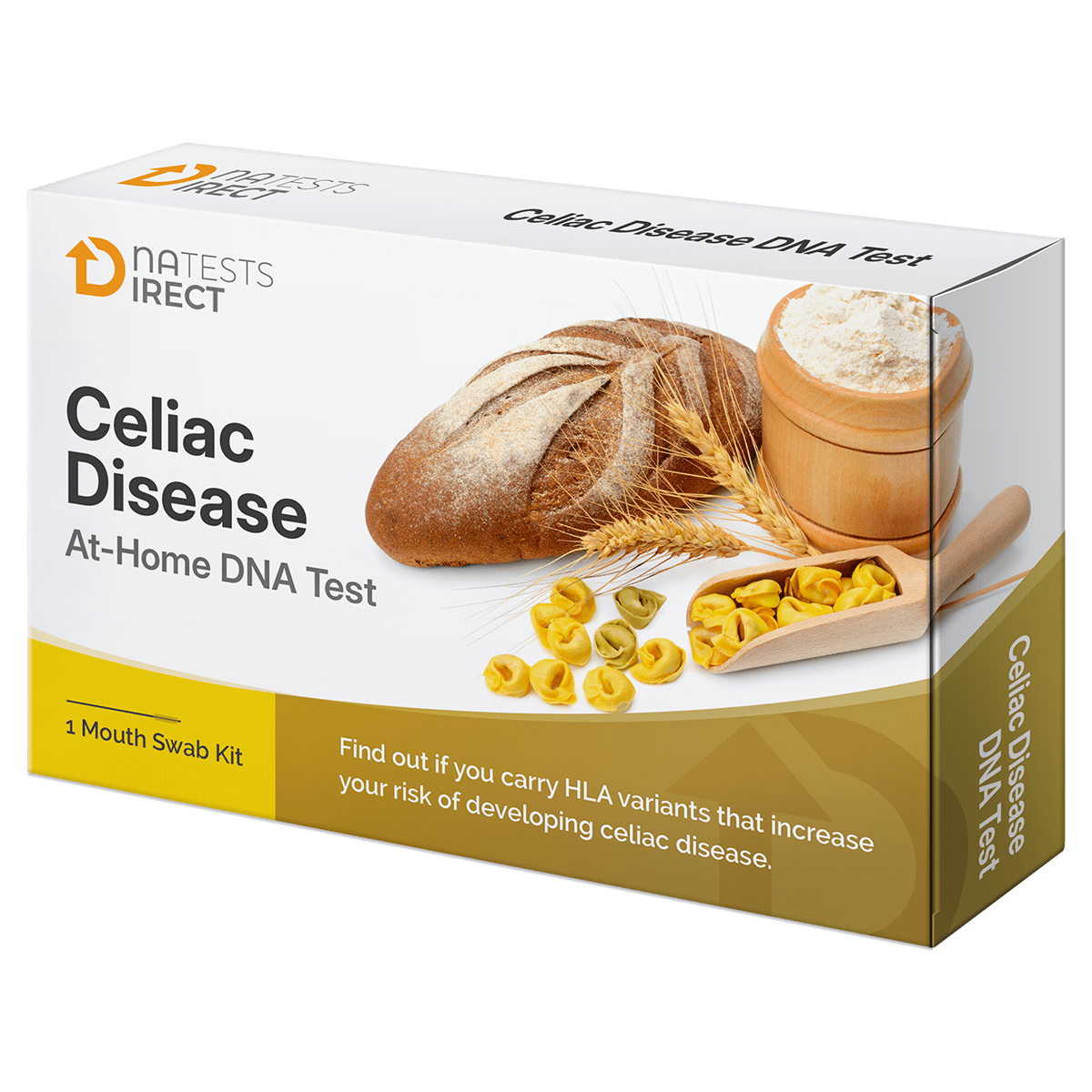




DNA Celiac Disease Test
$249
Discover Your Celiac Disease Risk
Are you experiencing digestive discomfort, fatigue, or other unexplained symptoms? This at-home DNA test identifies key genetic markers associated with celiac disease to determine your risk of developing this condition.
- Gluten-Free Friendly: Discover your genetic risk for celiac disease, even if you are already on a gluten-free diet.
- Precision Screening: Identifies high-risk HLA variants (HLA-DQA1, HLA-DQB1) linked to celiac disease.
- Actionable Insights: Understand your true risk—less than 0.04% chance if you test negative.
How it Works

Order your DNA Kit
Place your order online, and we’ll send you a DNA test kit with everything you need to collect your samples.

Collect DNA Samples
Follow the detailed, step-by-step instructions to collect DNA samples using the provided mouth swabs.

Lab Analysis
Use the provided return envelope to mail your DNA samples to our laboratory for analysis.

Receive Results
Download your results from your secure online account as soon as they’re ready.
What is Celiac Disease?
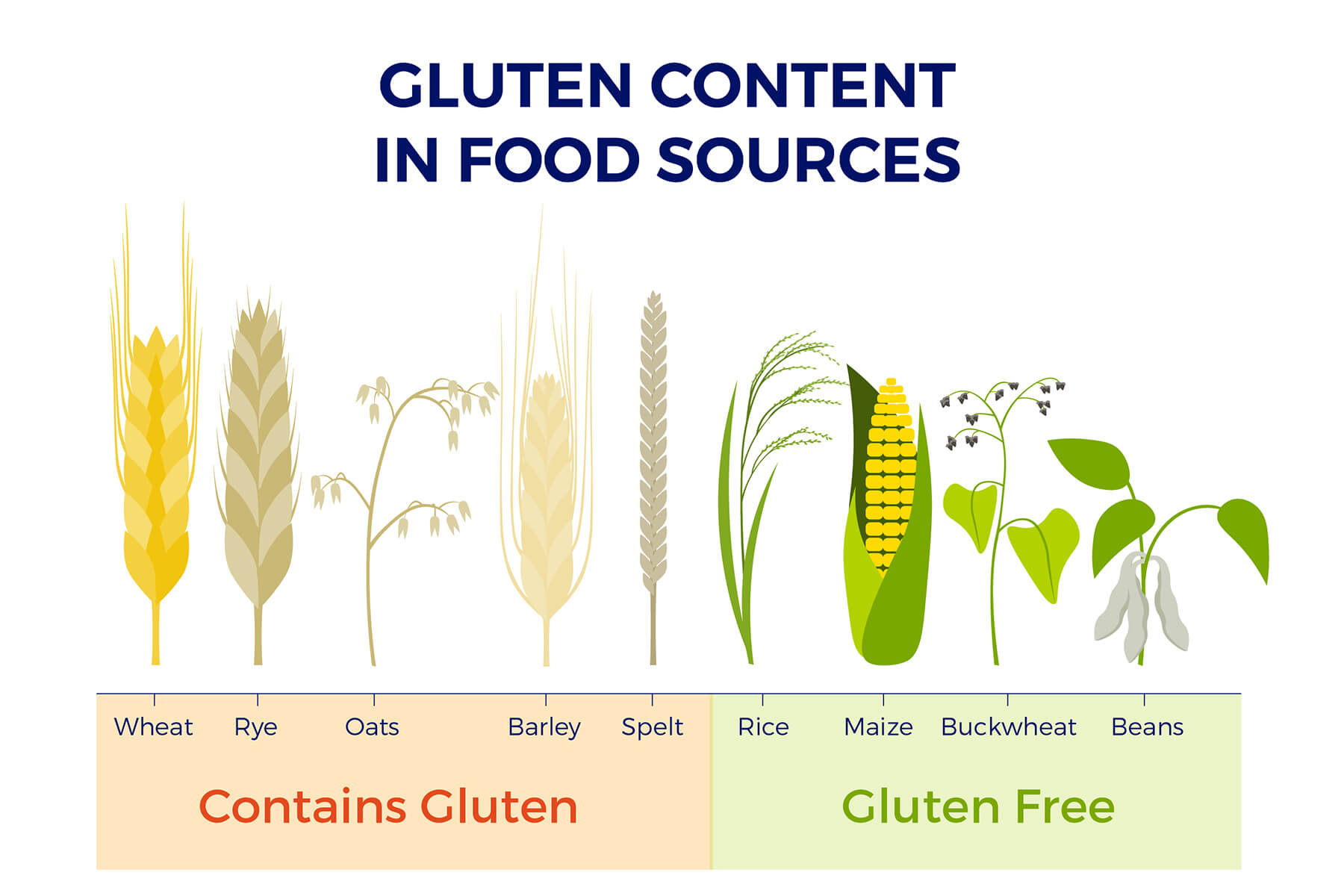
Celiac disease is an autoimmune disorder affecting the body’s response to gluten – a protein found in wheat, rye, barley, and often food additives. This condition impacts approximately 1 in 100 people worldwide, but surprisingly, only about 30% are properly diagnosed.
When someone with celiac disease consumes gluten, their immune system launches an attack on the small intestine. This attack leads to inflammation and damage to the villi, the tiny, finger-like projections that line the intestine and are responsible for absorbing essential nutrients. Over time, this damage can prevent the body from getting the nutrients it needs, putting you at risk of:
- Vitamin & mineral deficiencies (like iron and calcium)
- Digestive problems (diarrhea, constipation, gas, bloating)
- Weight loss or gain
- Fatigue
- Anemia
- Osteoporosis (bone loss)
- Increased risk of other autoimmune diseases
Celiac disease affects people of all ages, and symptoms can vary widely. Some people may have no noticeable symptoms at all. If left untreated, celiac disease increases the risk of other serious health conditions such as osteoporosis, infertility, neurological diseases, and increased risk of intestinal cancers.
The Genetics of Celiac Disease
Celiac disease tends to run in families, which means if someone in your family has it, you’re more likely to have it too. This increased risk is tied to specific genes that influence how your immune system interacts with gluten.
The genes involved, HLA-DQA1 and HLA-DQB1, are critical for immune function, helping your body distinguish its own cells from potentially harmful invaders. In people with celiac disease, these proteins can mistakenly identify gluten as a threat, triggering an immune response that attacks the small intestine,
Our DNA test analyzes three high-risk variants within the HLA-DQA1 and HLA-DQB1 genes linked to celiac disease:
- HLA-DQA1*05
- HLA-DQB1*02
- HLA-DQB1*0302
Carrying one or more of these genetic variants increases your risk of developing celiac disease. However, it’s important to note that genetics alone doesn’t determine whether you’ll develop the condition. While these genetic markers increase susceptibility, not everyone with these variants will develop celiac disease.

Decoding Your Celiac Risk Test Results
Your results report will explain the specific gene variants detected and provide clear details on your risk level for celiac disease.
| Gene | Variants | Description |
|---|---|---|
| HLA-DQA1 | HLA-DQA1*05 | This variant is a common indicator of celiac disease, found in approximately 90% of diagnosed individuals. |
| HLA-DQB1 | HLA-DQB1*02, HLA-DQB1*0302 | These variants are associated with an increased likelihood of developing celiac disease, particularly HLA-DQB1*02 in individuals of Northern European descent. |

Frequently Asked Questions
What will the DNA Celiac Disease Test tell me?
The DNA Celiac Disease Test determines whether you carry the specific genetic variants in the HLA-DQA1 and HLA-DQB1 genes that are strongly associated with celiac disease. It is a powerful screening tool that assesses your genetic predisposition to this autoimmune condition, which is triggered by the consumption of gluten.
Who is this test recommended for?
This test is recommended for individuals who have a family history of celiac disease, as it is a hereditary condition. It is also valuable for those experiencing unexplained digestive issues, or for anyone who wants to understand their lifetime risk of developing the disease. The test provides clarity, especially if other diagnostic methods are inconclusive.
What is the main benefit of a negative test result?
A negative result from this test is extremely informative. It means you do not carry the primary genes associated with celiac disease, and therefore your chance of ever developing the condition is less than 0.04%. This can provide significant peace of mind and help rule out celiac disease as a cause for symptoms.
Is this a diagnostic test for Celiac Disease?
No, this is a genetic risk test, not a diagnostic test. A positive result indicates an increased genetic predisposition to Celiac Disease but does not mean you currently have it. We recommend you discuss your results with a healthcare professional for a formal diagnosis.
I'm already on a gluten-free diet. Will that affect the test results?
No, a gluten-free diet will not affect the results of this DNA test. Unlike antibody blood tests which require you to be consuming gluten, this test analyzes your inherent genetic makeup, which does not change based on your diet. This makes it an accurate screening tool regardless of your current eating habits.
Does having the genes for celiac disease mean I will definitely get it?
No, inheriting one or more of the risk variants does not guarantee you will develop celiac disease, but it does mean you have an increased risk. The report will explain your specific risk level based on your genotype. This information is valuable for you and your healthcare provider for monitoring and future diagnostic planning.
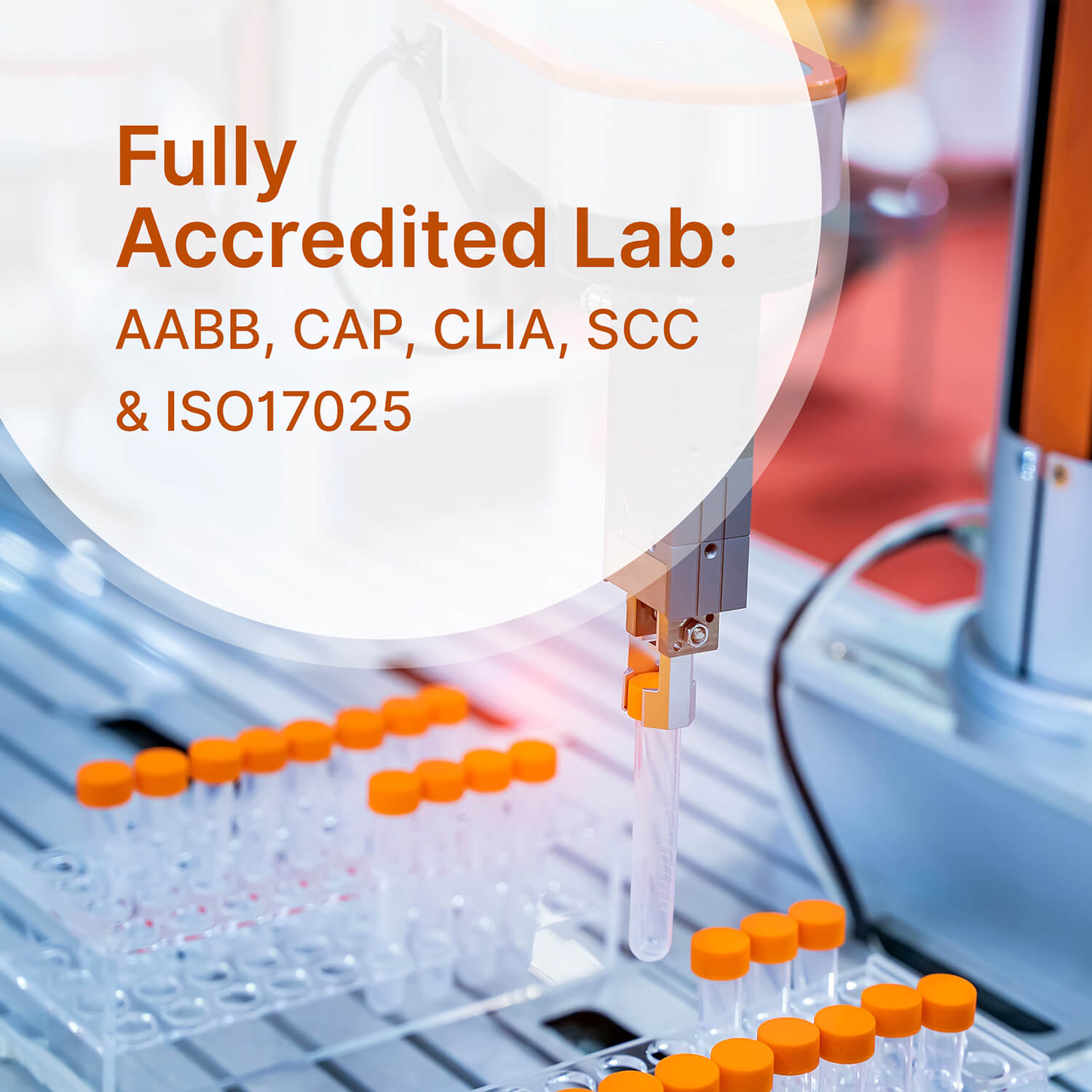
Is your testing facility reputable and accredited?
How will I receive my results?
How long does it take to get results?
Once your sample is received by our laboratory, processing usually takes 6-8 weeks. You will receive an email notification when your results are ready, and you can access your detailed report through a secure online portal.
Is the testing process confidential?
Yes, your confidentiality is guaranteed. From the discreet packaging of the test kit to the secure delivery of your results, we ensure your privacy is protected every step of the way.