


DNA Caffeine Sensitivity Test
$149
Out of stock
Is caffeine your friend or foe?
Ever wonder why some people can drink coffee all day while others feel jittery after just one cup? This difference is due to caffeine sensitivity, which varies from person to person. Our DNA Caffeine Sensitivity Test can help you understand how your body processes caffeine, allowing you to make more informed choices about your caffeine consumption for better health and well-being.
- Get the Facts: Learn whether you're a fast or slow caffeine metabolizer.
- Optimize Your Energy: Avoid jitters and improve your sleep by understanding your body's reaction to caffeine.
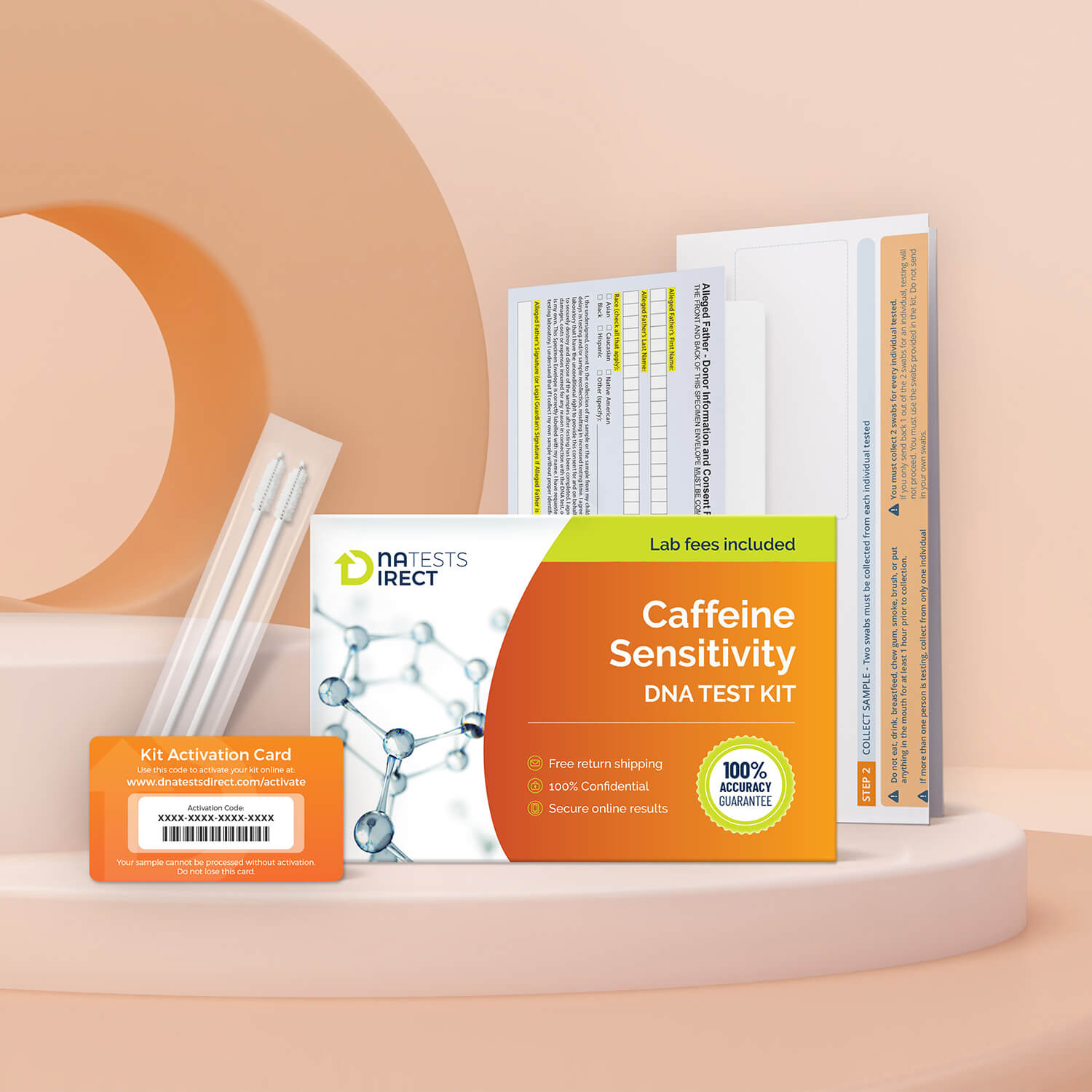
- Easy At-Home Testing: Collect your DNA with a simple, painless mouth swab and receive confidential results online.
How it Works

Order your DNA Kit
Place your order online, and we’ll send you a DNA test kit with everything you need to collect your samples.

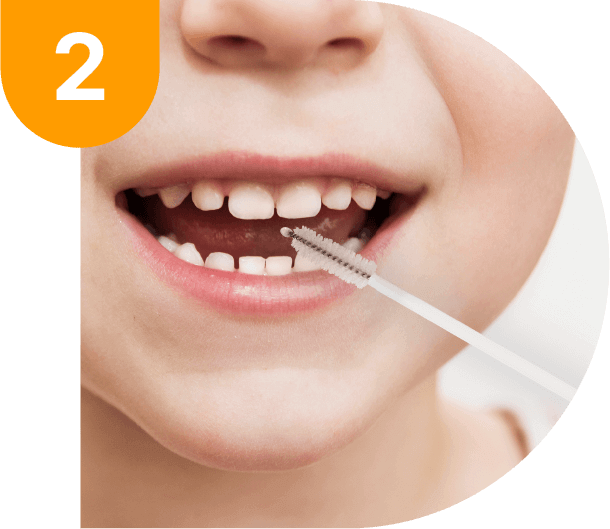
Collect DNA Samples
Follow the detailed, step-by-step instructions to collect DNA samples using the provided mouth swabs.

Lab Analysis
Use the provided return envelope to mail your DNA samples to our laboratory for analysis.

Receive Results
Download your results from your secure online account as soon as they’re ready.
What is Caffeine Sensitivity?
Caffeine sensitivity refers to how your body reacts to caffeine, a natural stimulant found in coffee, tea, chocolate, and many energy drinks. When you consume caffeine, it enters your bloodstream and interacts with various receptors in your brain and body, producing stimulating effects. However, the degree of these effects depends on how efficiently your body breaks down and eliminates caffeine.
Your DNA and Caffeine Metabolism
Your sensitivity to caffeine is influenced by your genes, particularly the CYP1A2 gene. This gene produces an enzyme in your liver responsible for breaking down caffeine. There are different versions of the CYP1A2 gene, which can make you either a fast or slow metabolizer of caffeine:
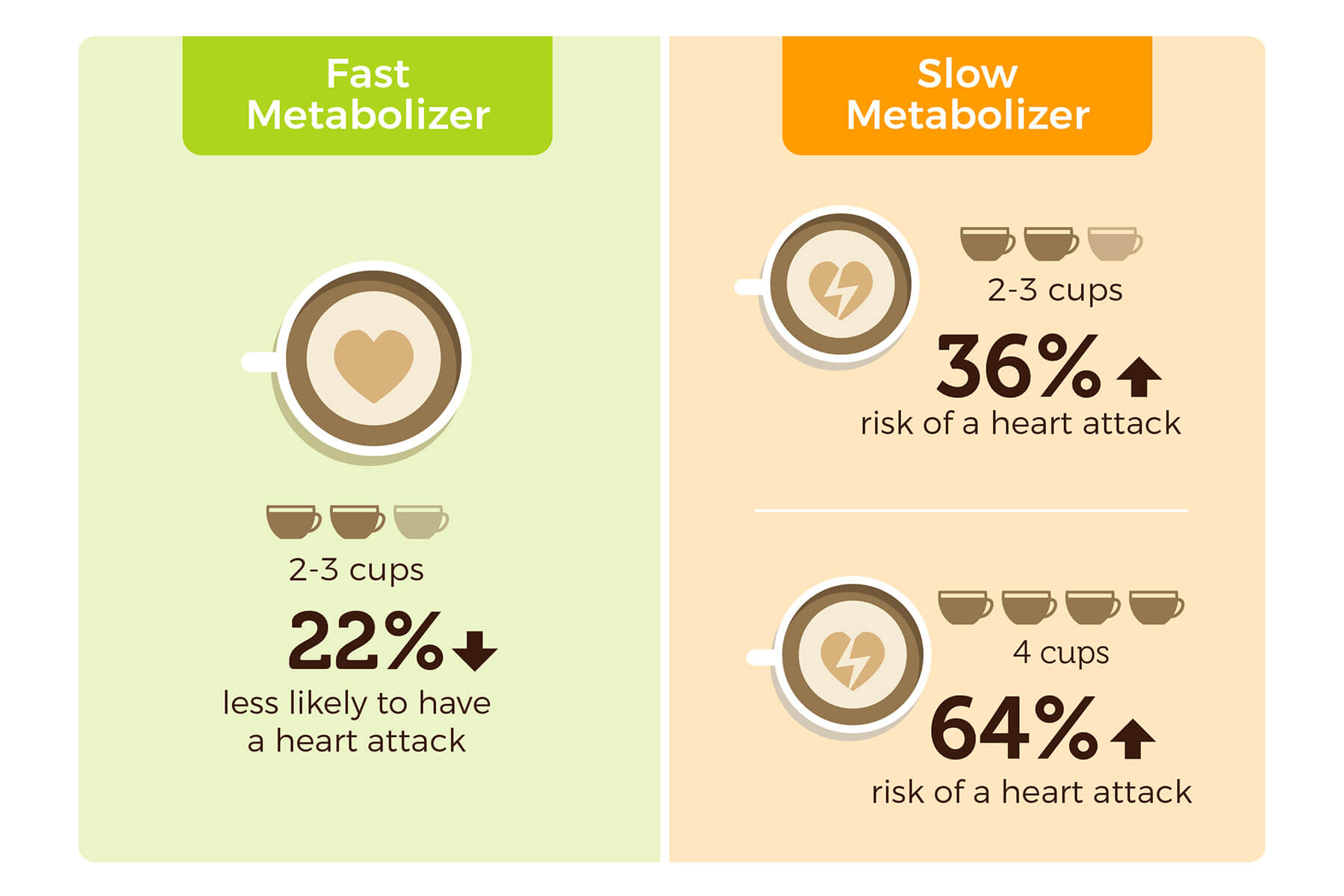
- Fast Metabolizers: If you have a version of the CYP1A2 gene that makes you a fast metabolizer, your body breaks down caffeine quickly. This means you can usually handle more caffeine without feeling its effects as strongly or for as long.
- Slow Metabolizers: If you have a version of the CYP1A2 gene that makes you a slow metabolizer, your body processes caffeine more slowly. This can lead to a more intense and prolonged effect of caffeine, making you more likely to experience side effects from even small amounts of caffeine.

Understanding Your Results
Your DNA Caffeine Sensitivity Test looks for specific changes (variants) in your CYP1A2 gene that influence how you metabolize caffeine. Knowing these variants can help you understand your caffeine sensitivity and make better dietary choices. Here’s a breakdown of the variants that the test looks for:
| Gene | Variants | Description |
|---|---|---|
| CYP1A2 | -163 CC | Associated with slow caffeine metabolism, leading to increased sensitivity and a higher likelihood of side effects like jitters and trouble sleeping. Individuals with this genotype have an increased risk of myocardial infarction and hypertension if more than two cups of coffee are consumed per day. |
| CYP1A2 | -163 CA | Linked to moderate caffeine metabolism, which may still result in increased sensitivity and some side effects. Individuals with this genotype have an increased risk of myocardial infarction and hypertension if more than two cups of coffee are consumed per day. |
| CYP1A2 | -163 AA | Commonly associated with fast caffeine metabolism, allowing for greater caffeine intake without strong or long-lasting effects. Individuals with this genotype are not at increased risk of myocardial infarction or hypertension after coffee consumption. |
By understanding your genetic predisposition to caffeine sensitivity, you can make informed decisions about your caffeine intake. Fast metabolizers may need to consume more caffeine to achieve the desired effects, while slow metabolizers may benefit from moderating their intake to avoid potential side effects.

Frequently Asked Questions
What is the purpose of the DNA Caffeine Sensitivity Test?
This test is designed to reveal how your body processes caffeine by analyzing the CYP1A2 gene. The results will indicate whether you are a fast or slow caffeine metabolizer, empowering you to adjust your caffeine intake for optimal well-being.
Who would benefit from taking this test?
This test is ideal for anyone who consumes caffeine and wants to understand its effects on their body. Whether you’re an avid coffee drinker or just an occasional tea sipper, knowing your caffeine metabolism can help you avoid jitters, sleep disturbances, and other negative side effects.
What does it mean to be a "fast" or "slow" metabolizer?
Your CYP1A2 gene determines how much of the CYP1A2 enzyme your body produces, which is the primary enzyme for breaking down caffeine. “Fast metabolizers” produce more of the enzyme and process caffeine quickly, while “slow metabolizers” produce less and process it more slowly, meaning caffeine stays in their system longer.
How does my body's caffeine metabolism affect me?
If you are a slow metabolizer, caffeine stays in your system longer, which can lead to feelings of anxiety, restlessness, and disrupted sleep. Fast metabolizers process caffeine more quickly and may not experience these effects as strongly. Understanding your genetic profile helps you manage your daily energy levels more effectively.
How can I apply my test results to my daily life?
Your results can help you personalize your caffeine consumption. If you’re a slow metabolizer, you might choose to reduce your intake or avoid caffeine later in the day. If you’re a fast metabolizer, you may find you can enjoy caffeine with fewer adverse effects.
Can this test help with my sleep patterns?
Yes, understanding your caffeine metabolism can be a key factor in improving your sleep hygiene. If you are a slow metabolizer, being aware of this can encourage you to limit caffeine intake, especially in the afternoon and evening, to promote better sleep quality.
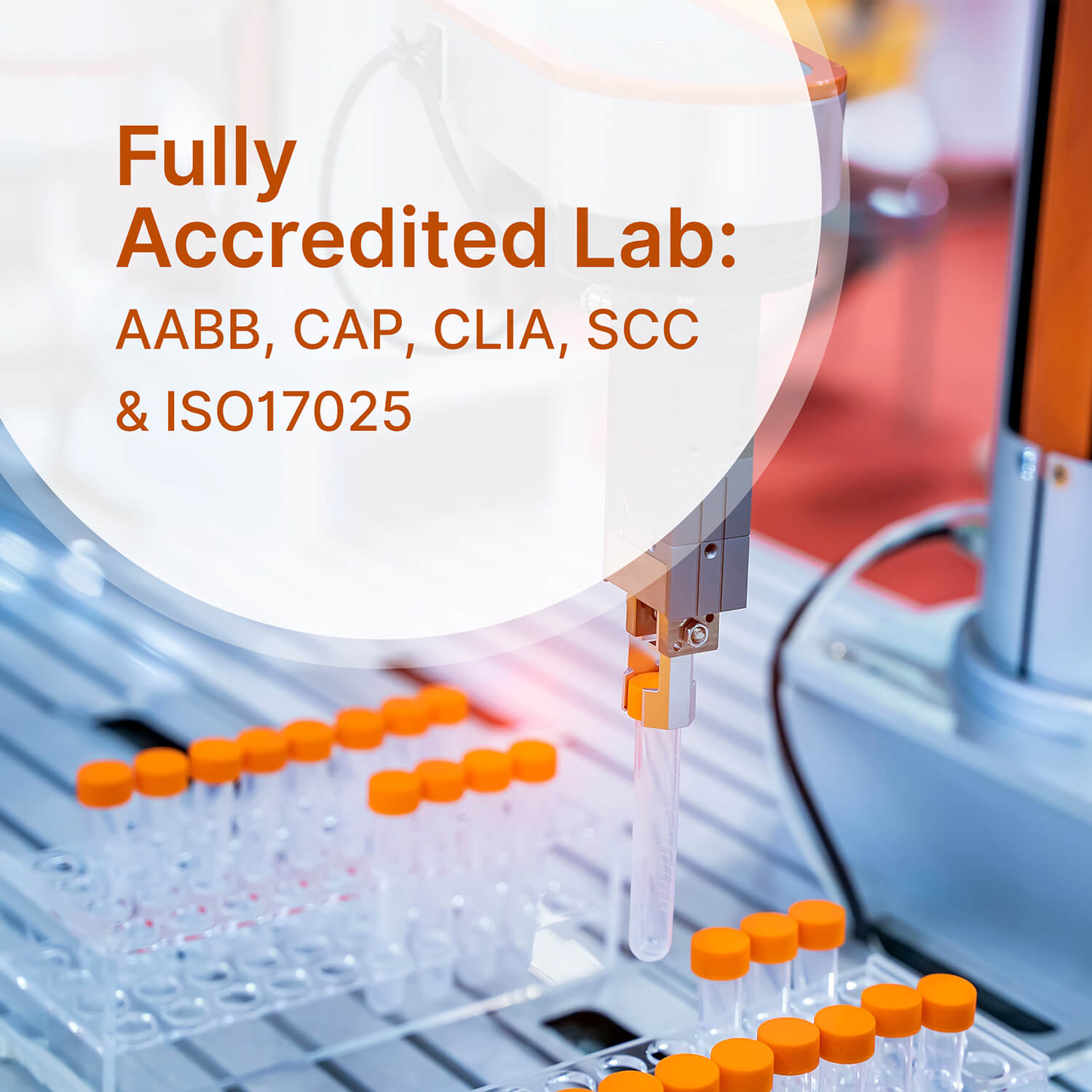
Is your testing facility reputable and accredited?
How will I receive my results?
How long does it take to get results?
Once your sample is received by our laboratory, processing usually takes 6-8 weeks. You will receive an email notification when your results are ready, and you can access your detailed report through a secure online portal.
Is the testing process confidential?
Yes, your confidentiality is guaranteed. From the discreet packaging of the test kit to the secure delivery of your results, we ensure your privacy is protected every step of the way.