




DNA Alzheimer’s Test
$195
Discover Your Alzheimer's Risk
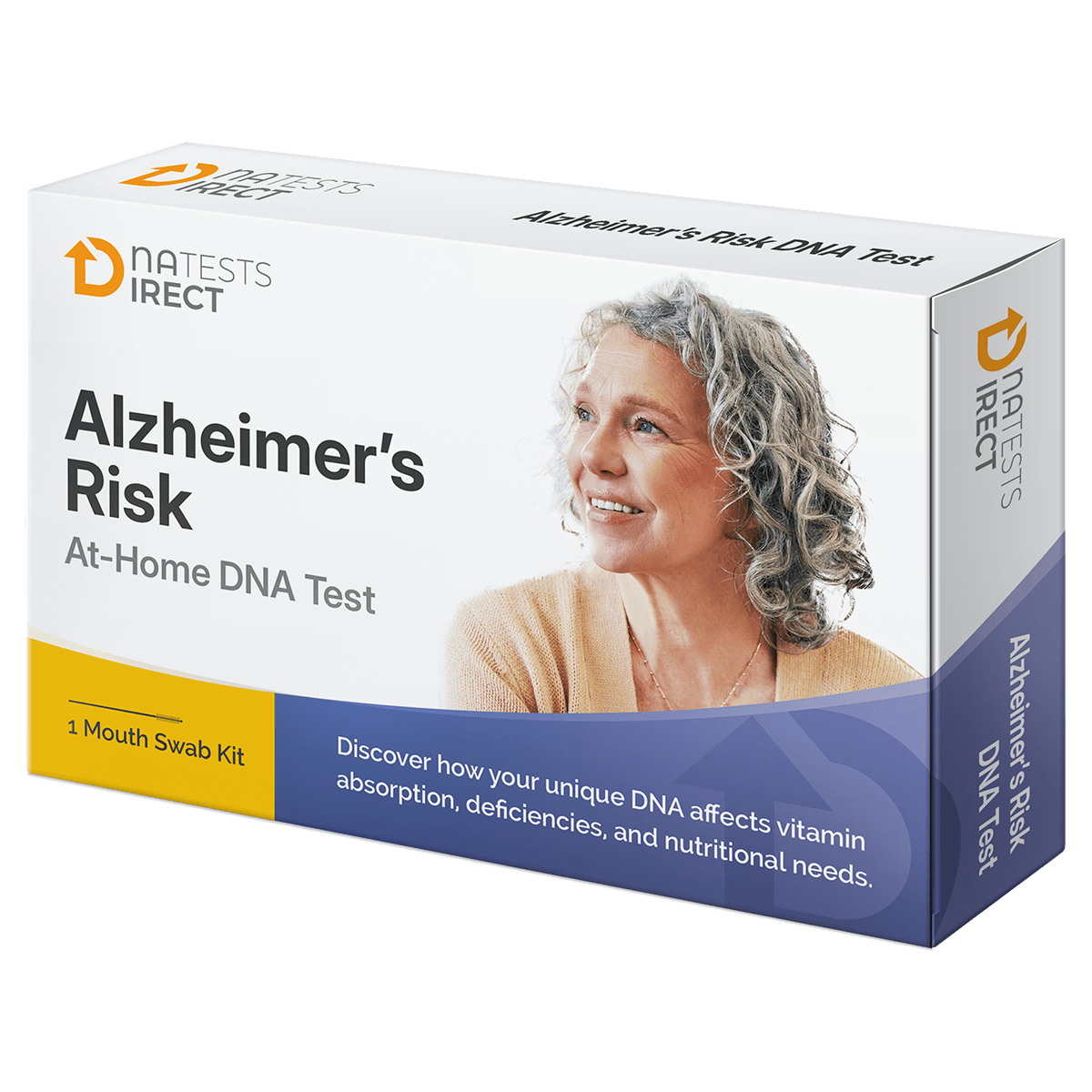
The DNA Alzheimer’s Disease Test is a simple, at-home DNA test that helps you understand your genetic risk of developing late-onset Alzheimer’s disease.
- Identifies the APOE4 Variant: Detects whether you carry APOE e4, a strong risk factor for late-onset Alzheimer's disease.
- Know Your Genetic Risk: This test identifies which of the three APOE variants (e2, e3, e4) you have, revealing if you have a reduced, neutral, or increased genetic risk for Alzheimer's.
- Easy At-Home Testing: Collect your DNA with a simple, painless mouth swab and receive confidential results online.
How it Works

Order your DNA Kit
Place your order online, and we’ll send you a DNA test kit with everything you need to collect your samples.

Collect DNA Samples
Follow the detailed, step-by-step instructions to collect DNA samples using the provided mouth swabs.

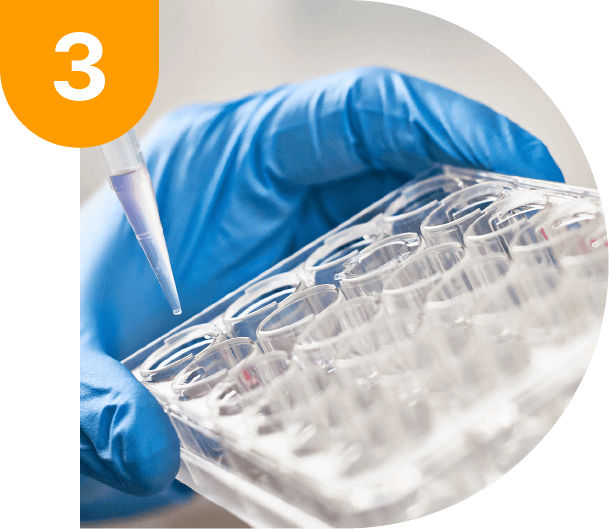
Lab Analysis
Use the provided return envelope to mail your DNA samples to our laboratory for analysis.

Receive Results
Download your results from your secure online account as soon as they’re ready.
What is Alzheimer's Disease?
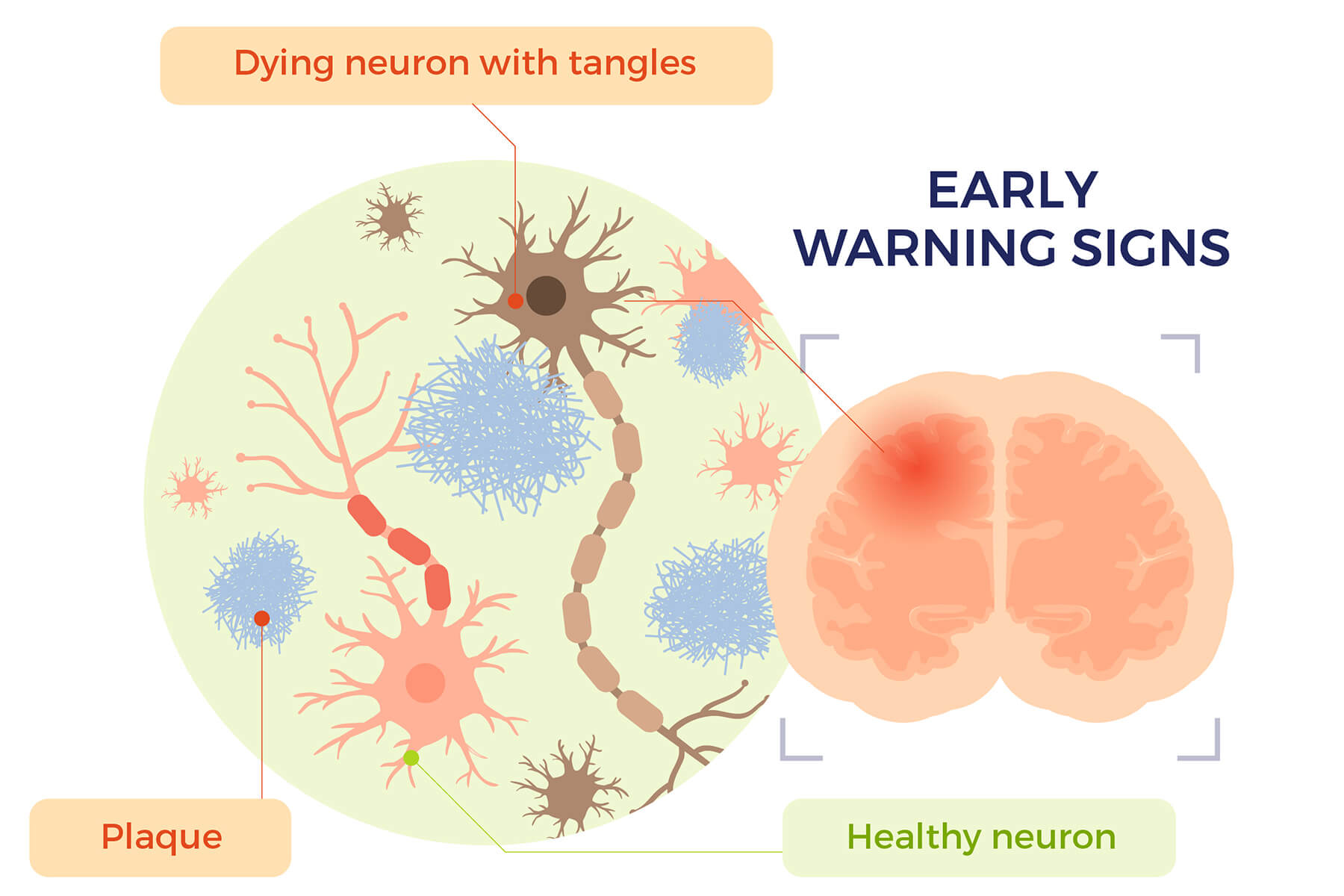
Alzheimer’s disease is a progressive brain disorder that gradually destroys memory and other important mental functions. As the most common form of dementia, Alzheimer’s disease accounted for 60–70% of approximately 55 million dementia cases. In most cases, symptoms appear after age 65, a condition known as late-onset Alzheimer’s disease.
The Role of APOE in Alzheimer’s Disease
The APOE gene has an important role in transporting cholesterol and fats in your body and greatly influences your Alzheimer’s disease risk. There are three types of APOE alleles (gene variants) you can inherit from your parents: e2, e3, and e4. Each of these alleles affects your Alzheimer’s disease risk differently:
- APOE e2: This variant is relatively rare and is associated with a decreased risk of Alzheimer’s. It may even delay the onset of symptoms, offering some protective benefits against the disease.
- APOE e3: This is the most commonly found allele and is generally believed to have a neutral impact on the risk of developing Alzheimer’s disease.
- APOE e4: This allele significantly increases the risk of Alzheimer’s. People with one copy of APOE e4 may see their risk double or triple, while those with two copies (inherited from both parents) face a risk increase of 10–15 times compared to those without this allele.

Understanding Your Results
Your DNA test results will indicate which APOE alleles you carry. Everyone inherits two APOE variants, one from each parent. Here’s what your results mean:
| Genes | Variants | Description |
|---|---|---|
| APOE | e4/e4 | You have two copies of the APOE e4 allele, which significantly increases your risk of developing Alzheimer’s disease (10–15 times higher). |
| APOE | e3/e4 or e2/e4 | You have one copy of the APOE e4 allele, which increases your risk of developing Alzheimer’s disease (2–3 times higher). |
| APOE | e3/e3 | You have two copies of the common APOE e3 allele, which has a neutral effect on your risk of Alzheimer’s disease. |
| APOE | e2/e2 or e2/e3 | You have one or two copies of the APOE e2 allele, which may decrease your risk of developing Alzheimer’s disease. |
The APOE e4 allele is a strong genetic risk factor for late-onset Alzheimer’s disease, which accounts for the majority of Alzheimer’s cases. However, having the APOE e4 allele doesn’t mean you will definitely develop the disease. Other factors like age, lifestyle, and environmental conditions also contribute to your overall risk.

Frequently Asked Questions
What is the DNA Alzheimer's Risk Test?
This test is designed to determine if you are genetically predisposed to late-onset Alzheimer’s disease. It specifically analyzes the Apolipoprotein E (APOE) gene, which is a key genetic risk factor associated with an increased likelihood of developing the condition later in life. Understanding your genetic risk can be a powerful tool for proactive health planning.
Who should consider taking this test?
This test is for individuals who want to understand their genetic risk for late-onset Alzheimer’s, perhaps due to a family history of the disease or for personal health awareness. Knowing your genetic predisposition can be a powerful tool for proactive health planning with your doctor.
How is the sample for this test collected?
The sample is collected with a simple and painless mouth swab. The kit we provide comes with everything you need, and you can easily collect the sample yourself from the comfort and privacy of your home.
Does a positive result mean I will definitely get Alzheimer's disease?
No, this is very important to understand. This test identifies a genetic risk factor, not a certainty. Carrying the APOE4 variant increases your risk, but it does not guarantee you will develop Alzheimer’s disease. Many people with the variant never develop the disease, and many who develop it do not have the variant.
How can I use the results of this test?
The results provide valuable information that you can use to make informed lifestyle choices and to have more productive conversations with your healthcare provider. Understanding your risk can empower you to focus on brain-healthy habits related to diet, exercise, and cognitive engagement.
What specific gene variants does this test look for?
This test analyzes the Apolipoprotein E (APOE) gene, specifically looking for the three main variants, which are known as e2, e3, and e4. 3The presence of the e4 variant is associated with an increased risk of late-onset Alzheimer’s disease.
Is your testing facility reputable and accredited?
How will I receive my results?
How long does it take to get results?
Once your sample is received by our laboratory, processing usually takes 6-8 weeks. You will receive an email notification when your results are ready, and you can access your detailed report through a secure online portal.
Is the testing process confidential?
Yes, your confidentiality is guaranteed. From the discreet packaging of the test kit to the secure delivery of your results, we ensure your privacy is protected every step of the way.